
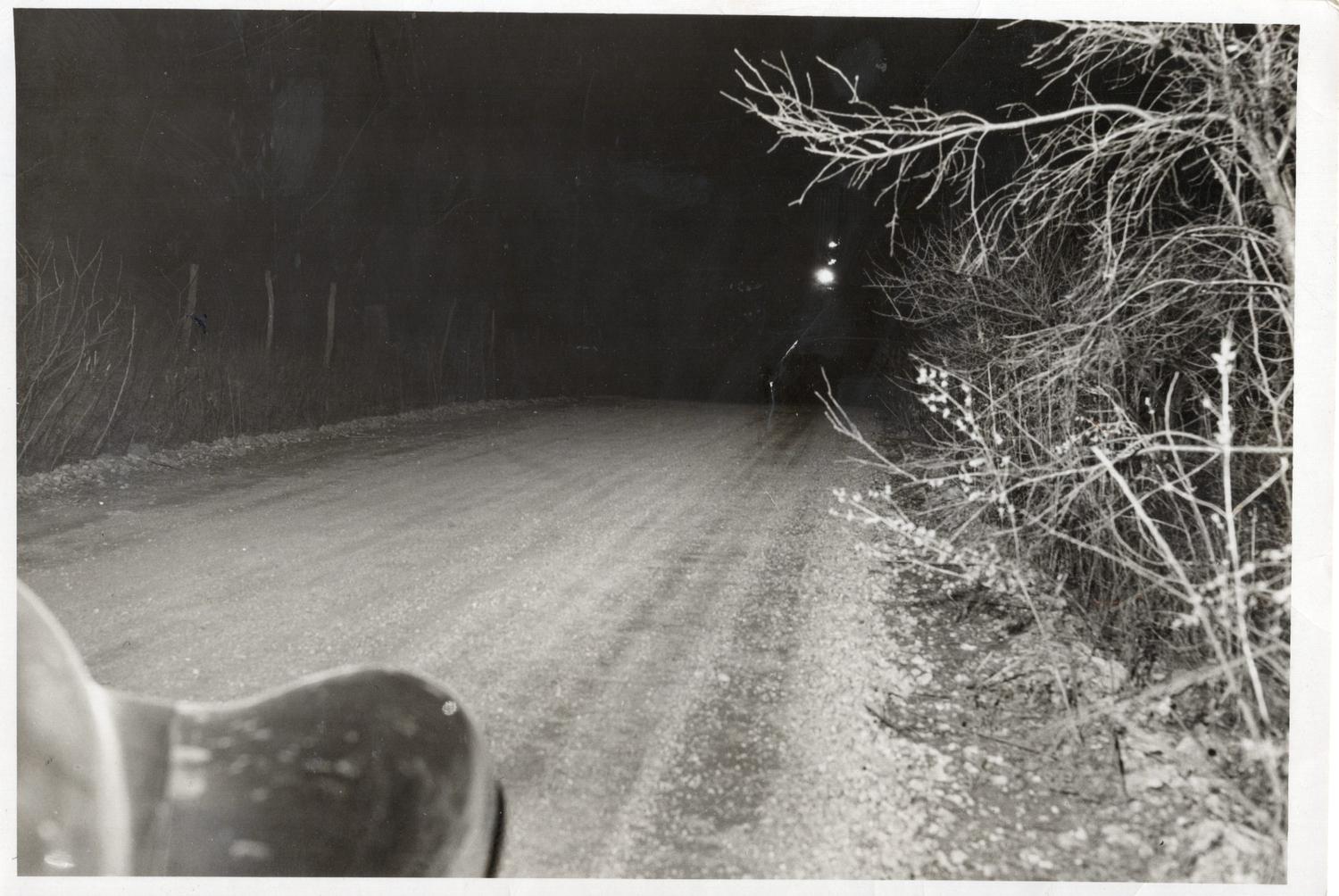
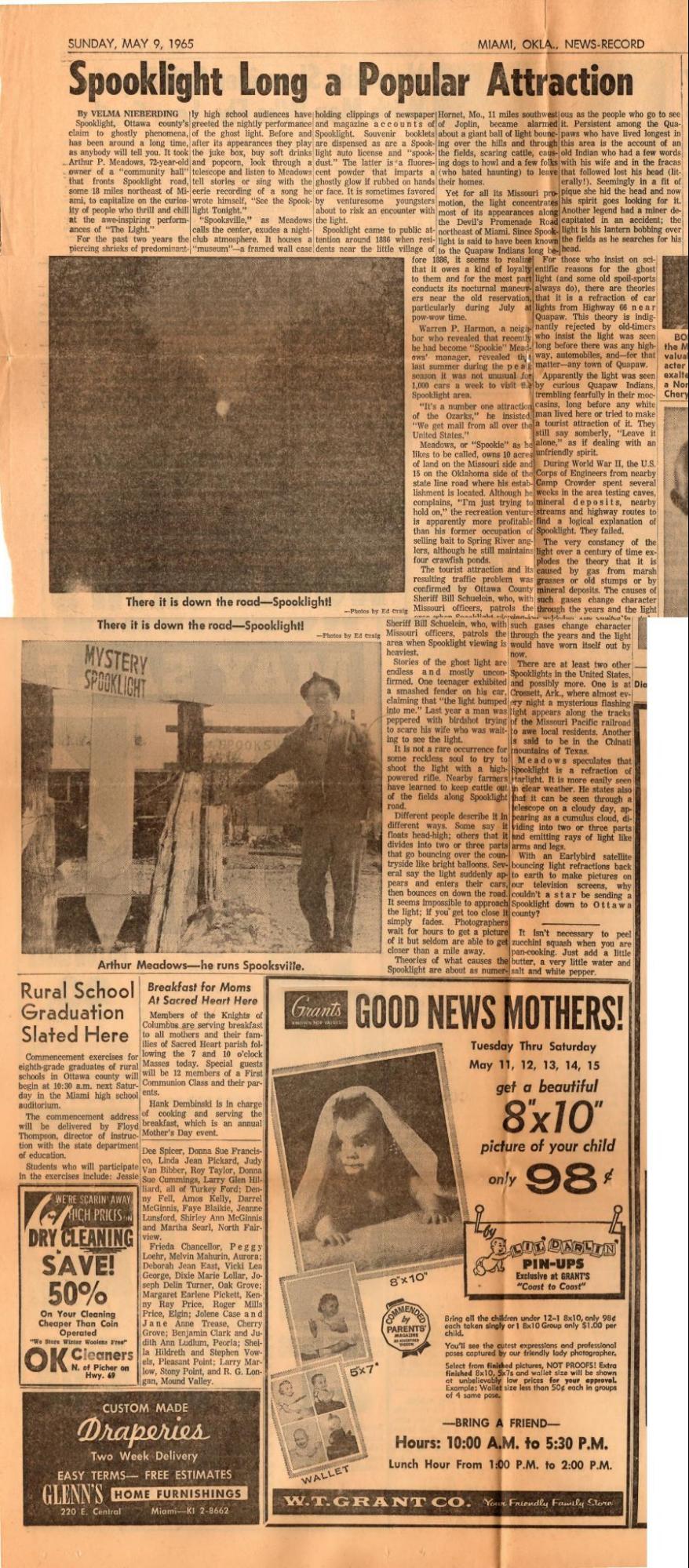
Near the border of Oklahoma, Missouri and Kansas, strange sightings of floating lights have been reported for at least 100 years. These stories speak of ghostly apparitions and floating balls of unidentified light. Some witnesses report an orb or multiple orbs floating. Details such as heat radiating from the object have been cited by multiple witnesses, some of whom claim to have experienced the light within arm’s reach.
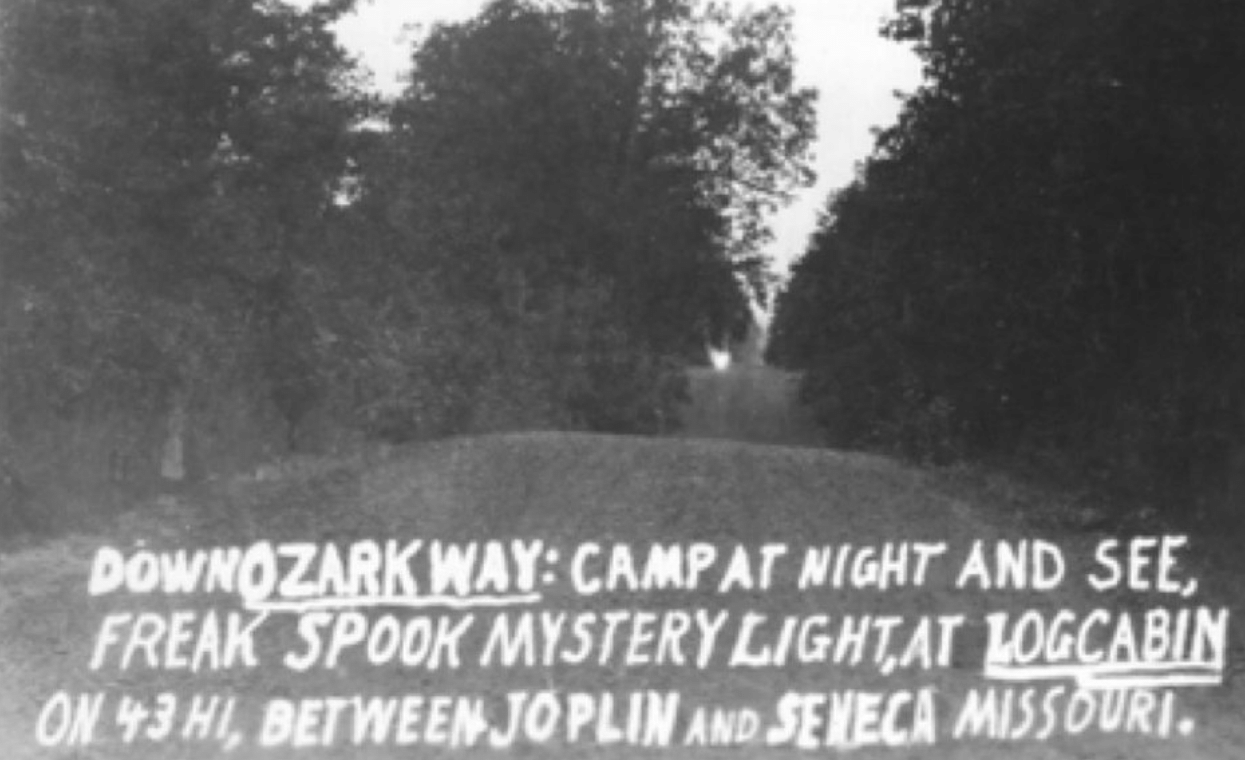
This occurrence is known as the Hornet Spooklight, named after the forgotten town of Hornet, Missouri. The town thrived for a brief period in the late 1800s, with the opening of a post office in 1882. The population declined around the turn of the century, indicated by the closure of the post office in 1902. Now Hornet is primarily known for the Spooklight.
Legend says that to see the Spooklight one must park in the darkest, most remote section of the Devil’s Promenade and wait until midnight.
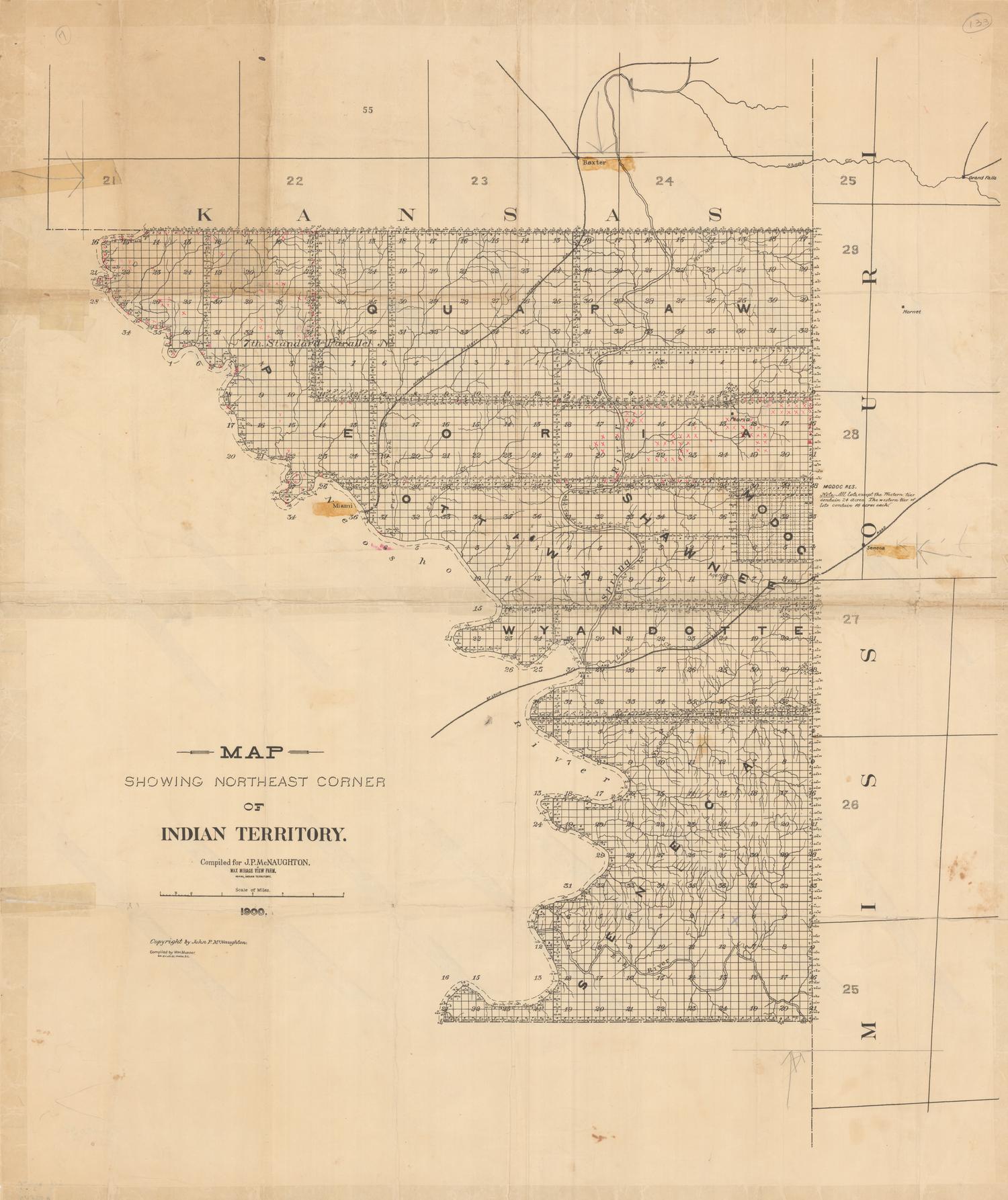
The Quapaw tribe also passed through this region in 1834, during a separate relocation as part of the federal government’s policy of Indian Removal. That relocation led them from their homeland in the Mississippi River Valley to what is now Quapaw, Oklahoma. Quapaw is located on historic Route 66 just west of Hornet. Other tribes too would pass through this region on their way to Indian Territory.
If not for this confluence of tribes, then Odestine McWatters would never have been born in 1918. Her father was of Seneca and Shawnee heritage, while her mother was Quapaw. She became famous for preserving the Quapaw language which she spoke during recorded interviews with linguists. You can hear her voice in this interview from 1983 where she relates what her mother said about the spooklight:
McWatters explains that her mother saw the spooklight when she was young, “She called it jack-o’-lantern… She said it’d get you lost, so it was bad and not to go out there and try to follow it… The old folks, about this spooklight, they wouldn’t mess with it. And they didn’t have cars back in those days, but they saw it… It was just a bad thing. They didn’t fool around with it.”
She explained that the spooklight, “couldn’t be a reflection from the highway like some people say… because some people said it went through their car.”
The Native Americans were not the only ones to die passing through this land. Decades later soldiers fighting in the Civil War would spill blood on these grounds too. The battles of Newtonia were fought just a little over 20 miles from Hornet. Guerrilla soldiers known as bushwhackers as well as Native Americans fought in these parts during 1862 and then again in 1864. Interestingly, Native Americans participated on both sides of the conflict in the first battle. Some believe that it is the spirits of these fallen soldiers that appear as orbs over the region. Others specify that the ghosts are carrying lanterns.
Another variation on this story involves a forbidden love between a Quapaw girl and an opposing clan’s warrior. Like Romeo and Juliet, they are said to have committed suicide here so their two spirits could wander through the night together. Perhaps it is their eternal love that presents itself as a floating orb against the dark sky?
Theories about UFOs are common as well, but is there a more simplistic explanation? History points to a juvenile prank as a clue.
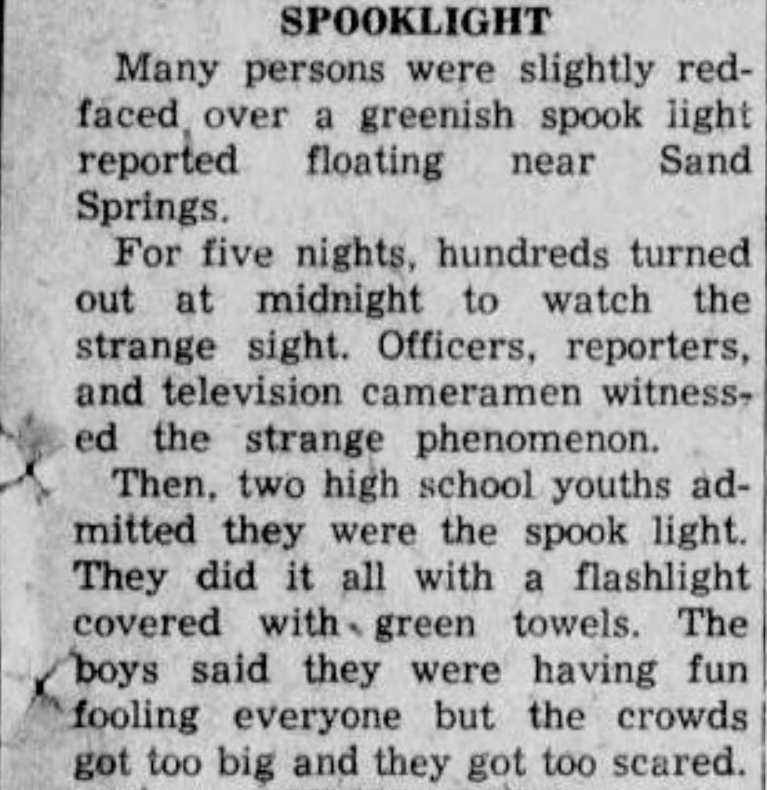
In 1954, the Okemah Daily Leader reported how another floating light 20 miles from the Devil’s Promenade sent Oklahoma into a frenzy. It was near Tulsa where the “greenish spook light… floating” caused hysteria, with crowds turning out each night for five nights in a row to try to catch a glimpse of the spectacle. Police officers, reporters, and television cameramen reported to the scene. However, this sighting turned out to be a hoax, with two high school boys finally admitting to using flashlights with green towels to create the illusion. They conceded when “the crowds got too big and they got too scared,” according to the newspaper.
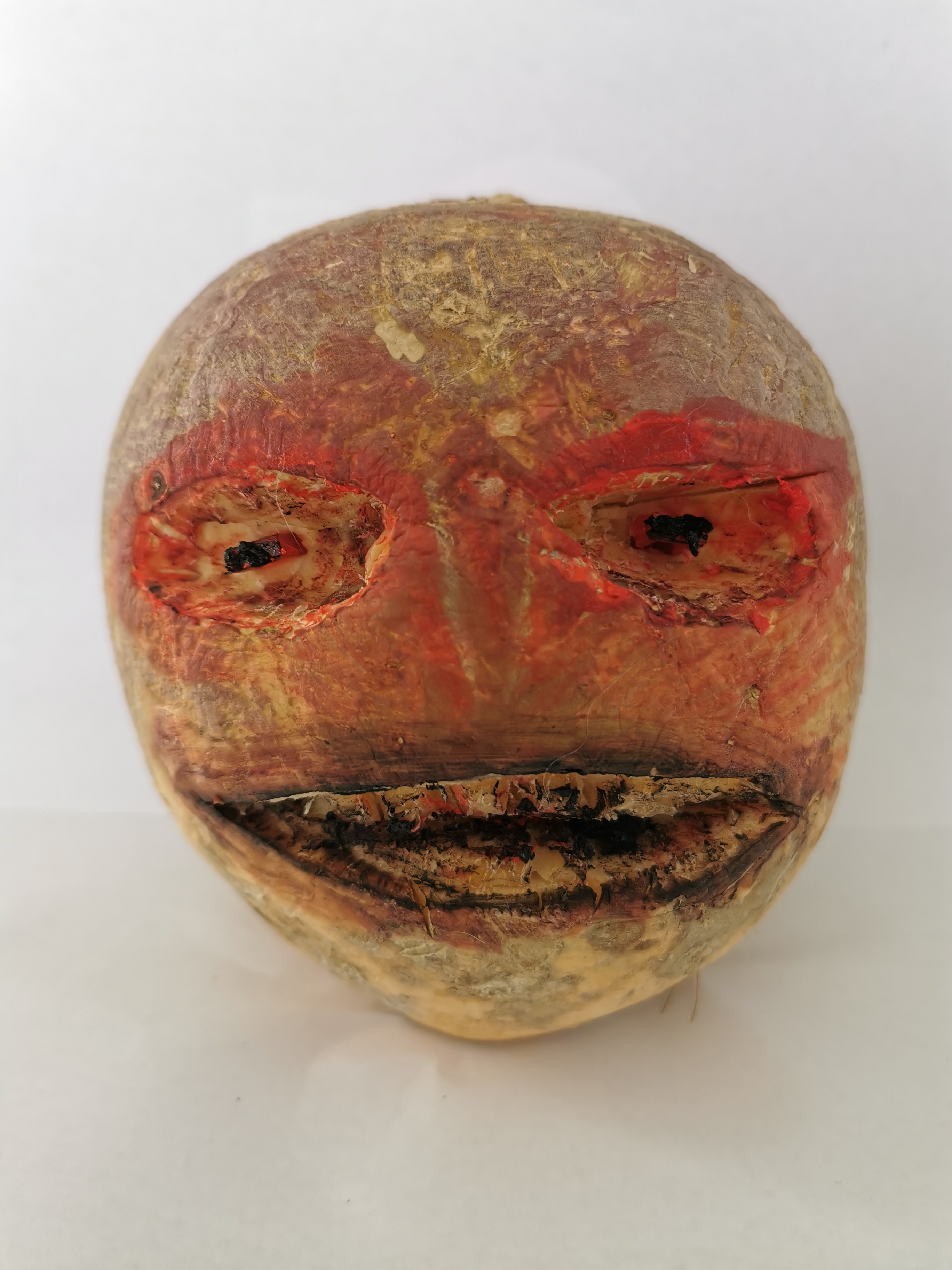
European folklore has called them will-o’-the-wisps. The Irish speak of a flickering ghost light over a peat bog called a Jack-O’-Lantern, not dissimilar to what McWatters remembered her mother calling the spooklight in Missouri. In the Irish tradition the orb relates to Stingy Jack, who was unable to enter either Heaven or Hell, so he carried his lantern in the dark.1
The Marfa Lights in Marfa, Texas are a similar phenomenon. Whether it’s the result of distant headlights echoing across flat desert terrain, or a supernatural phenomenon, it’s a destination for travelers seeking something out of the ordinary.
All of these sightings have been attempted to be debunked. Explanations including ball lighting, fireflies, optical illusion, and spontaneous plasma have been suggested, however none have been conclusive.
The mysteries of the road are many. The Dust Bowl Highway is a wormhole to the past and to the spirits that occupied that land throughout time. Regardless of what explanation you adopt, when you’re out there alone, sitting in your car with the engine off, in the remote area known as the Devil’s Promenade, surrounded by the Ozarkian wilderness, on Spooklight road, at midnight … you’ll be spooked – spooklight or not.
Citations
- “The History of the Jack-o’-Lantern: How It All Began With a Turnip.” Boston.com, October 29, 2014. https://web.archive.org/web/20141030163414/http://www.boston.com/news/history/2014/10/29/the-history-the-jack-lantern-how-all-began-with-turnip/yghmz86zLJg4iMZGILunBO/story.html.
- “Hitodama.” Yokai.com. Accessed September 28, 2026. https://yokai.com/hitodama/.
- “Spooklight.” The Okemah Daily Leader (Okemah, OK), October 12, 1954, 1. The Gateway to Oklahoma History (https://gateway.okhistory.org/ark:/67531/metadc2165780/m1/1/).
- Unknown. Photograph of the Devil’s Promenade “Spook Light.” Dobson Museum & Home, Ottawa County Historical Society Collection. The Gateway to Oklahoma History (https://gateway.okhistory.org/ark:/67531/metadc2582123/).
- McWatters, Odestine. Interview. 1983. The Gateway to Oklahoma History (https://gateway.okhistory.org/ark:/67531/metadc1802467/m1/10/).
- Musser, William. Map of Indian Territory. 1900. Oklahoma Historical Society. The Gateway to Oklahoma History (https://gateway.okhistory.org/ark:/67531/metadc1776990/).