Switch to the dark mode that's kinder on your eyes at night time.
Switch to the light mode that's kinder on your eyes at day time.
Living Ghost Town – Red Oak II
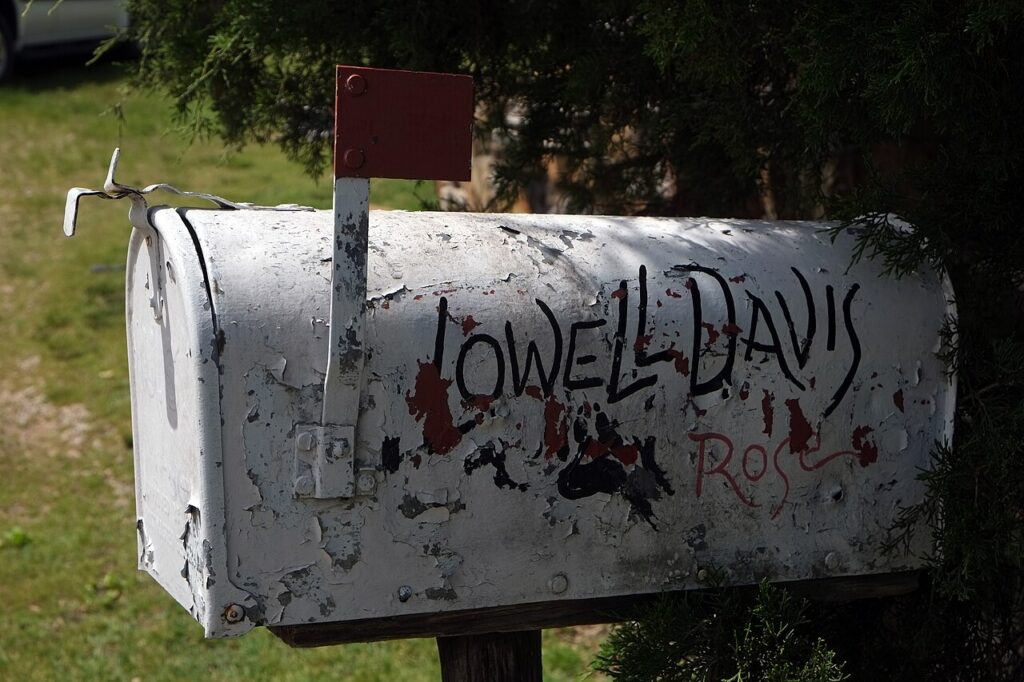
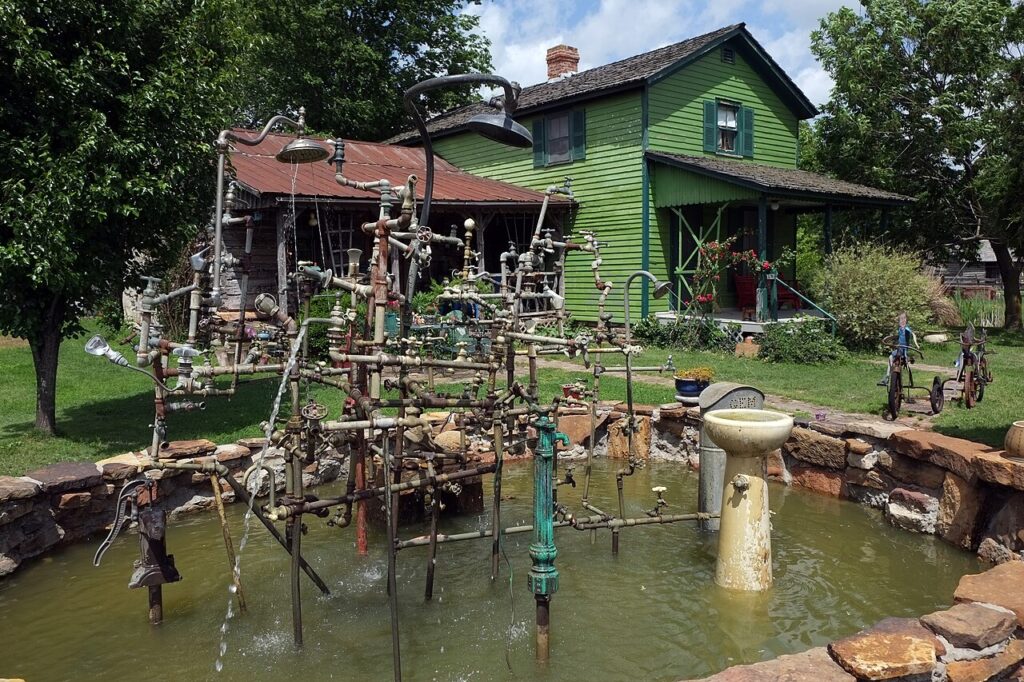
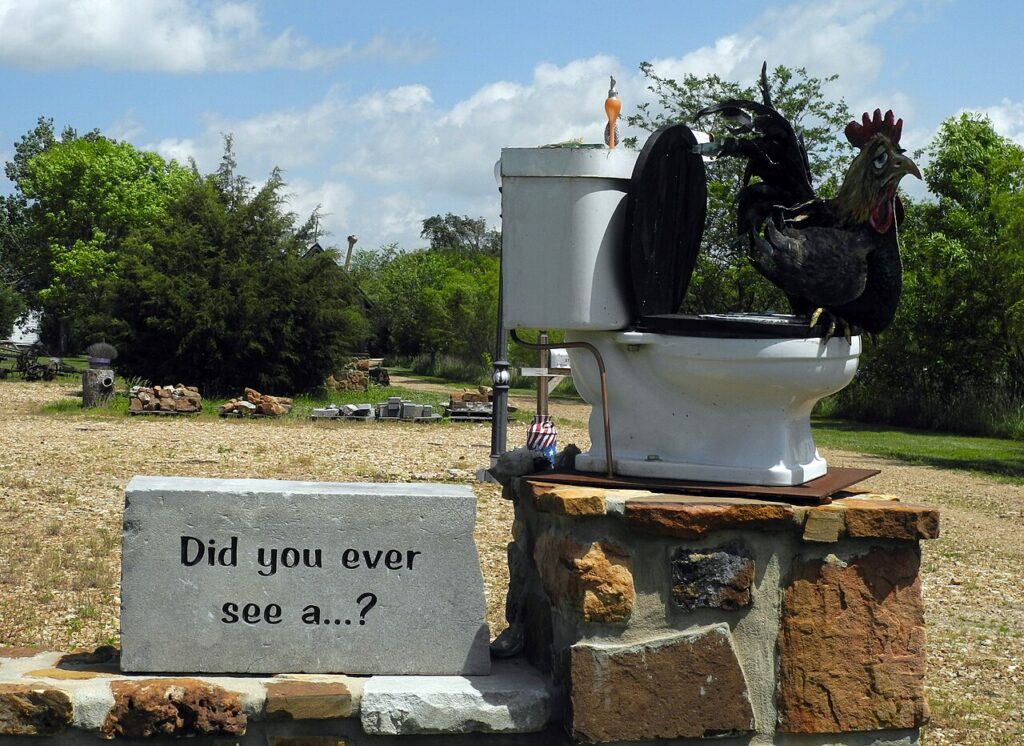
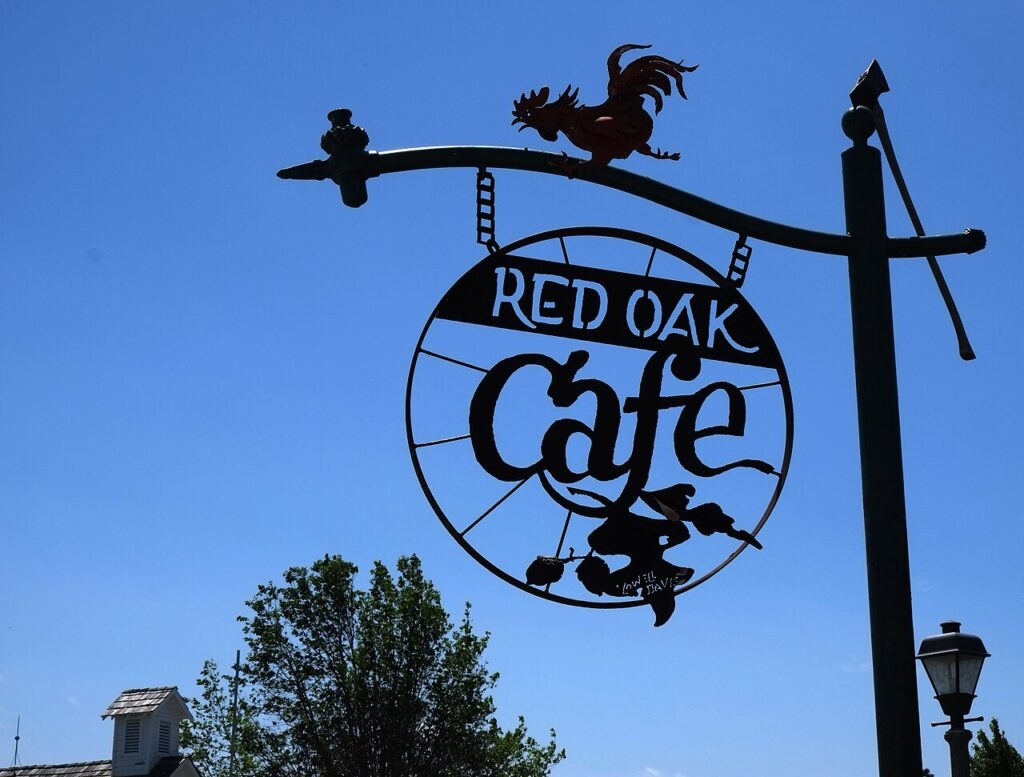
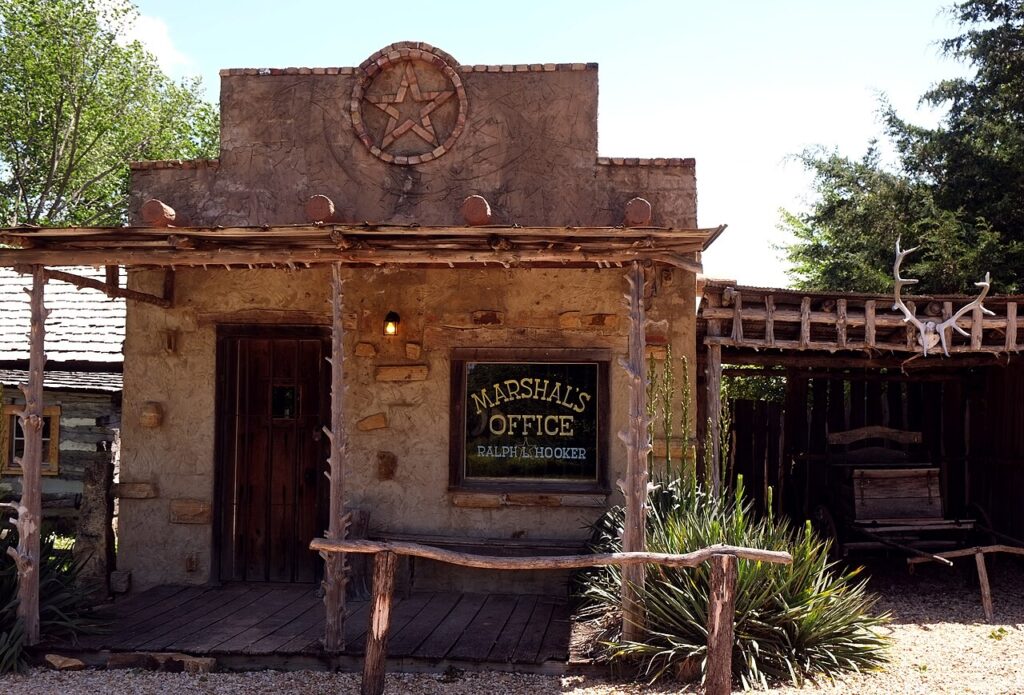
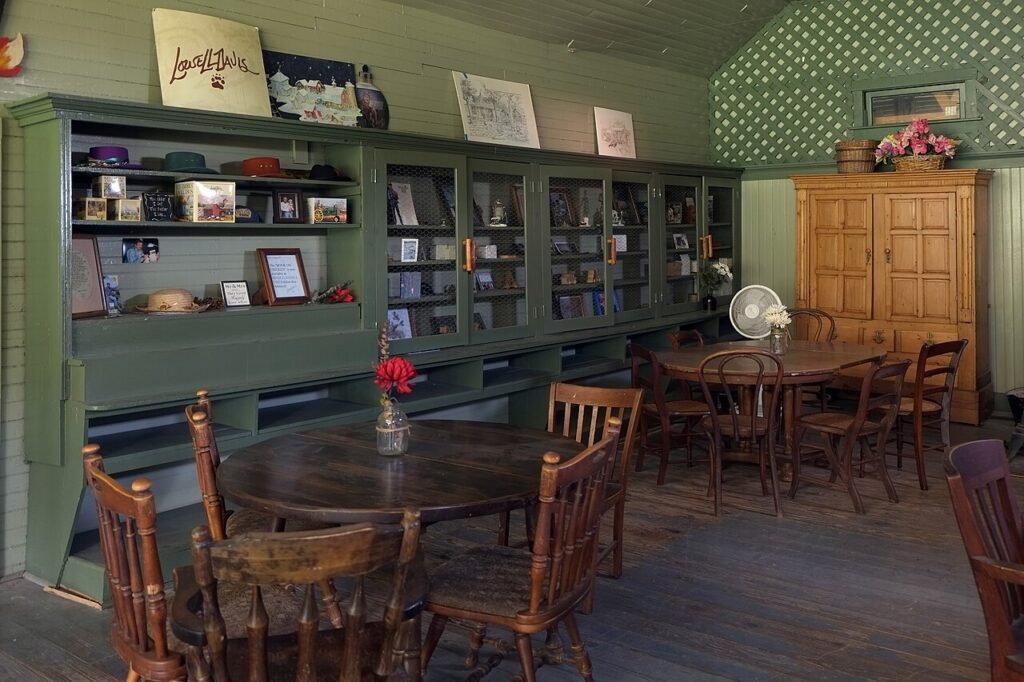
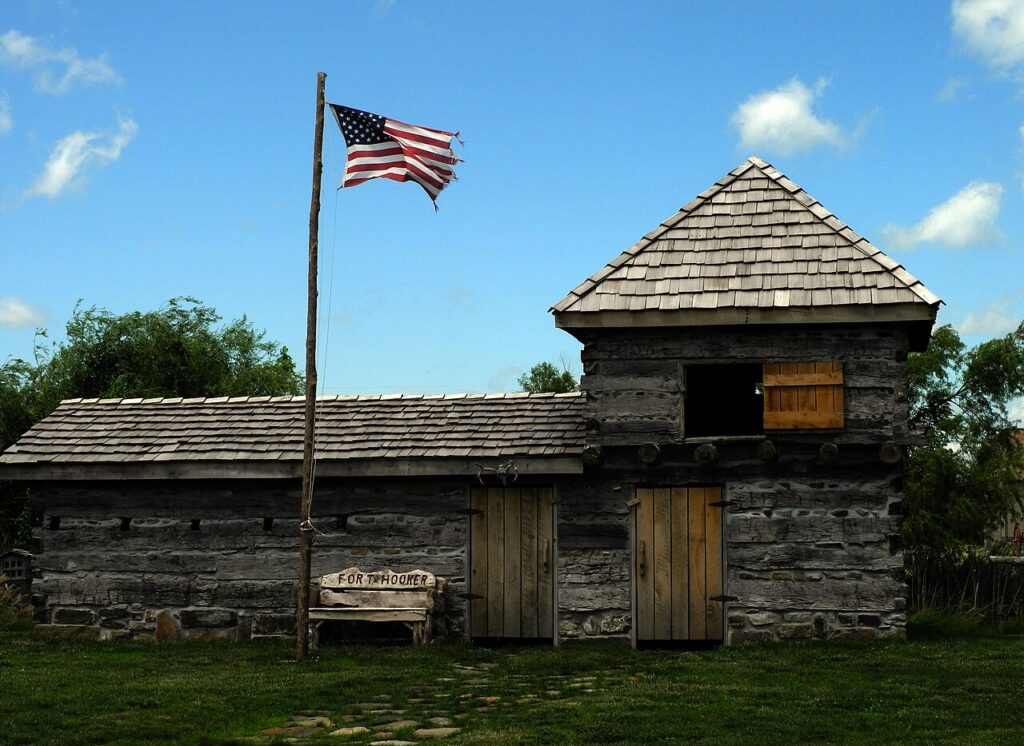
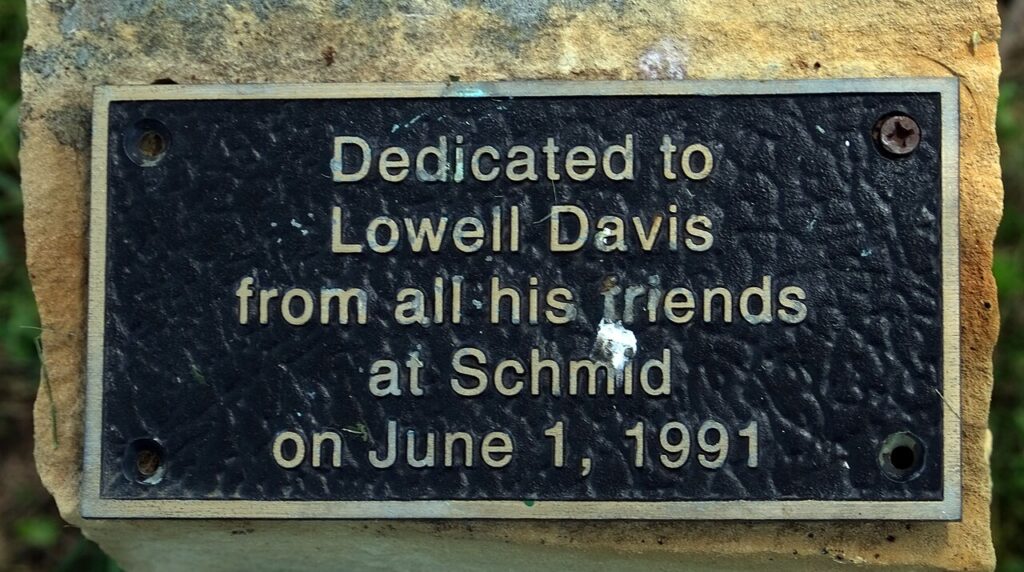
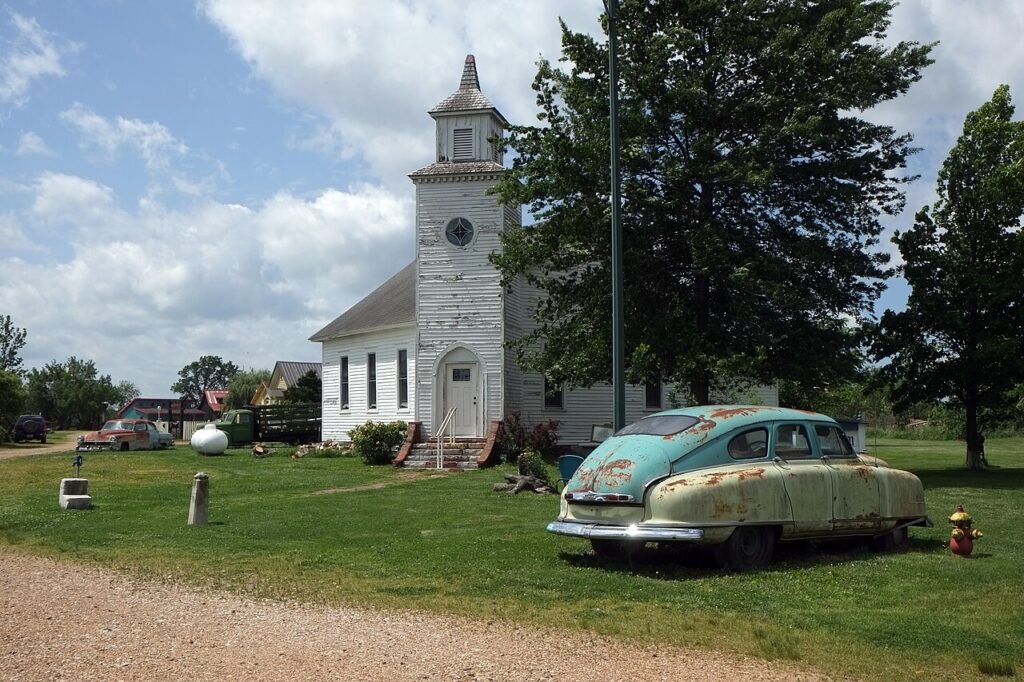
The story of Red Oak II (as you might suspect) begins with Red Oak I – or Red Oak, Missouri, that is, and a man named Lowell Davis. He, like many residents along the Dust Bowl Highway, was an imaginative and creative man who had a vision. Gorup de Besanez, CC BY-SA 4.0 <https://creativecommons.org/licenses/by-sa/4.0>, via Wikimedia CommonsDavis, born in 1937, grew up in Red Oak, Missouri, which was a small town – the type of town where everybody knows everybody. When he was of age, he joined the military and eventually moved to Dallas-Fort Worth, TX to become an art director for an ad agency. While the position was lucrative, the fast-paced DFW life was not for Davis, and he longed to return to Red Oak. After 13 years in Texas, he bought a farm in his native Missouri and returned home. The piece of land he bought was located close to Carthage, which is a couple of miles off Route 66 and about 20 miles away from his childhood home of Red Oak. The new property was dubbed Fox Fire Farm.Gorup de Besanez, CC BY-SA 4.0 <https://creativecommons.org/licenses/by-sa/4.0>, via Wikimedia CommonsWhile at Fox Fire, Davis created a large collection of sculptures, drawings, paintings, and, most notably, animal figurines. It was these figurines that made him internationally famous. Hundreds of gift stores stocked his collectable, handmade miniatures. The subject matter of small town Americana and farm stock earned him the title of the “Norman Rockwell of Rural Art.” Gorup de Besanez, CC BY-SA 4.0 <https://creativecommons.org/licenses/by-sa/4.0>, via Wikimedia CommonsWhen Davis visited his childhood home of Red Oak, however, he was shocked to find it quite different from the town he grew up in. A post-war draw to the big cities, plus faster cars, and the construction of more efficient highways had left Red Oak a ghost town. Davis, being a professional painter, sculptor, and all around artist, used his creative ingenuity to find a solution to the devastation.Gorup de Besanez, CC BY-SA 4.0 <https://creativecommons.org/licenses/by-sa/4.0>, via Wikimedia CommonsThe Plan: Move Red Oak to the Fox Fire Farm in Carthage, MO.Gorup de Besanez, CC BY-SA 4.0 <https://creativecommons.org/licenses/by-sa/4.0>, via Wikimedia CommonsSlowly, he began buying the dilapidated buildings from Red Oak and transporting them one at a time to his farm in Carthage. At the time, transporting a building 20 miles from one site to another cost around $450. Davis meticulously cleaned, painted, and repaired the structures one by one until they were returned to their original glory. Notable buildings include a Phillips 66 Station, a general store, the Belle Starr House, and a diner. The new “town” was affectionately named Red Oak II. Gorup de Besanez, CC BY-SA 4.0 <https://creativecommons.org/licenses/by-sa/4.0>, via Wikimedia CommonsThe town was not complete, though. Davis began buying up buildings from other ghost towns that had suffered the same fate as Red Oak. Red Oak II became a tourist site, open to the public free of charge. Travelers along 66 quickly marked the site as a must-see destination. They wandered the grounds, which felt like stepping back in time, and often ran into Lowell Davis himself, who was always happy to sit down and talk about the history of the area and his art.Gorup de Besanez, CC BY-SA 4.0 <https://creativecommons.org/licenses/by-sa/4.0>, via Wikimedia CommonsEventually, Davis sold the buildings to private individuals, many of whom live on the premisses. He passed away in 2020, but Red Oak II lives on as an open air museum over Davis’ 60 acre farm. It’s one of the most interesting sites on 66 (and many travelers’ favorite destination) because there is a certain paradox to Red Oak II. In saving the Red Oak ghost town from demise, Davis constructed a new, artificial ghost town with Red Oak II. Not unlike many of the great artists, Davis was able to take something unuseful from real life, transform it, and breathe a new spirit into it.Gorup de Besanez, CC BY-SA 4.0 <https://creativecommons.org/licenses/by-sa/4.0>, via Wikimedia CommonsRoute 66 tends to make us take a second look at what is common, and reconsider it, or change our perspective about it. In this way it’s a constantly evolving highway. It’s a touchstone that allows us to see history in present day, while also shaping how we view the modern world around us. Carry on traveler. Gorup de Besanez, CC BY-SA 4.0 <https://creativecommons.org/licenses/by-sa/4.0>, via Wikimedia Commons