
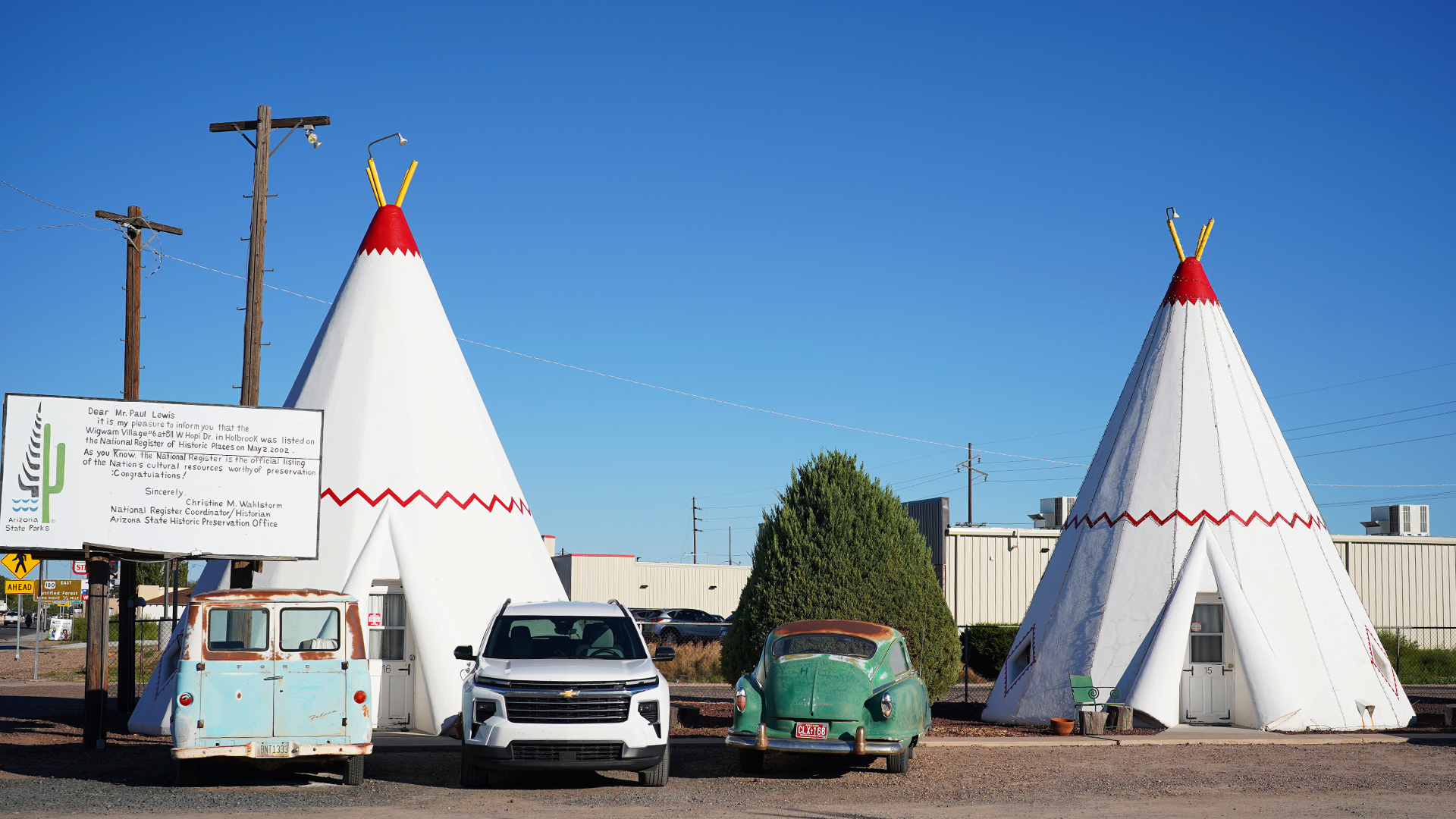
From 1933 to 1949, seven Wigwam Villages were built across the United States. They were part of a motel chain that was designed by Frank A. Redford. Motel rooms were built to resemble Native American teepees, but they were called wigwams – supposedly because Redford liked the sound of the word better. The mislabeling and generalization of Native tribes and culture is not uncommon along the Mother Road. Each of these eye catching villages was assigned a number to identify their location.
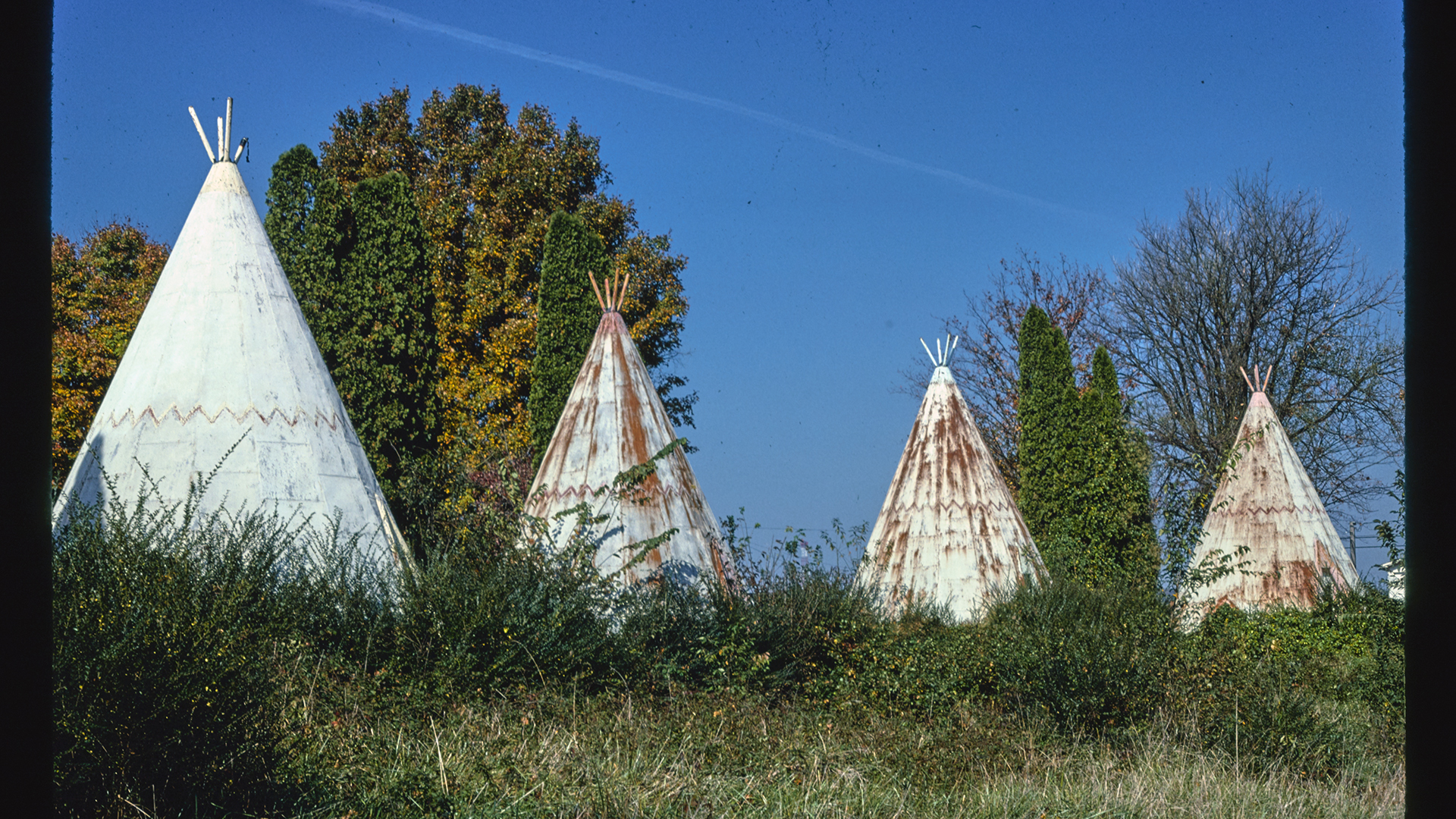
Village #1 was built in 1933. It was located in Horse Cave, Kentucky. It remained open only until around 1935. Redford closed the location in the interest of building Village #2 which would be a larger site. The original structures were eventually demolished in 1982.
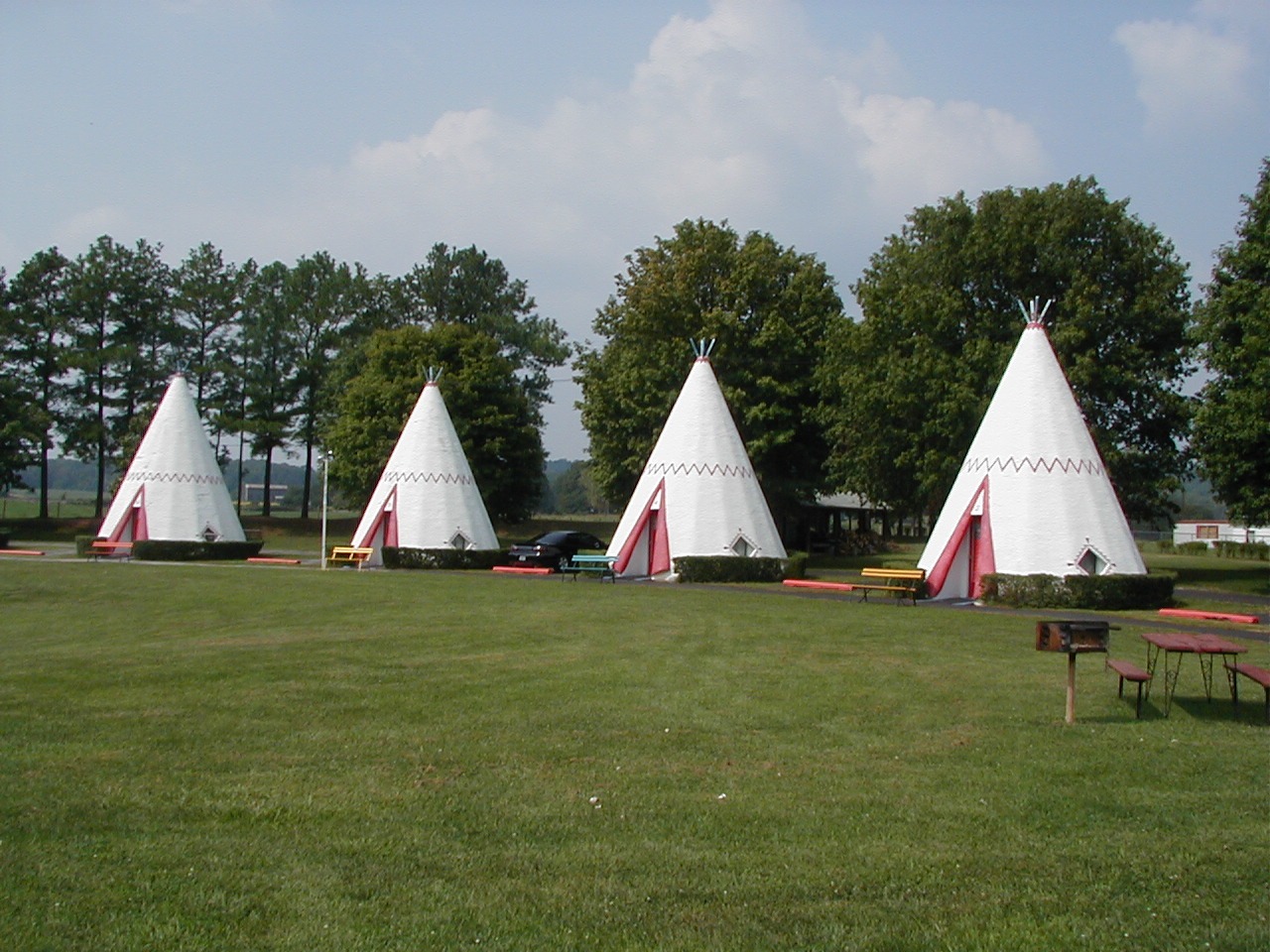
Village #2 was constructed in 1937 in nearby Cave City, Kentucky. This site is one of the original villages that remains open today. The location was listed on the National Register of Historic Places in 1988.
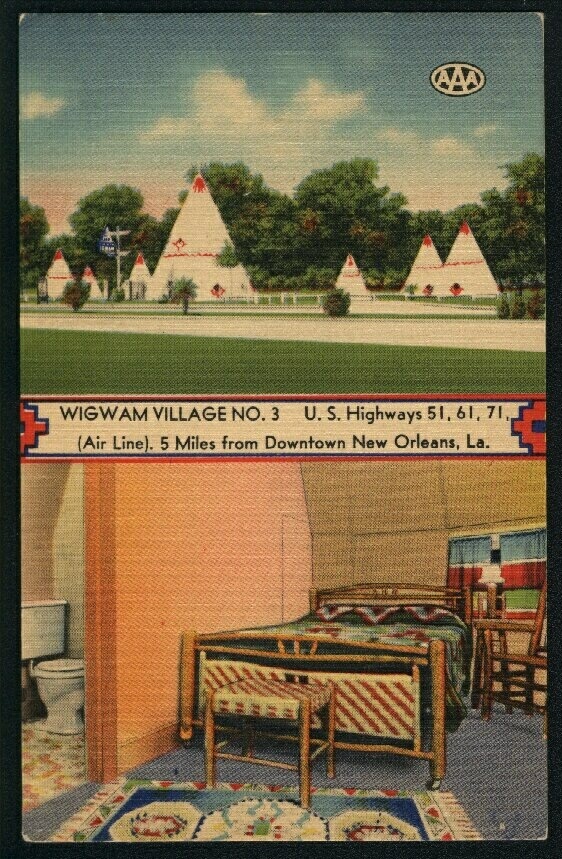
Village #3 opened in 1940 just outside of New Orleans, Louisiana. This village lasted until 1954. The location was slowly becoming a more commercial area and businesses like the Wigwam Motel were losing patrons. Today a Wendy’s operates where the Village once stood.
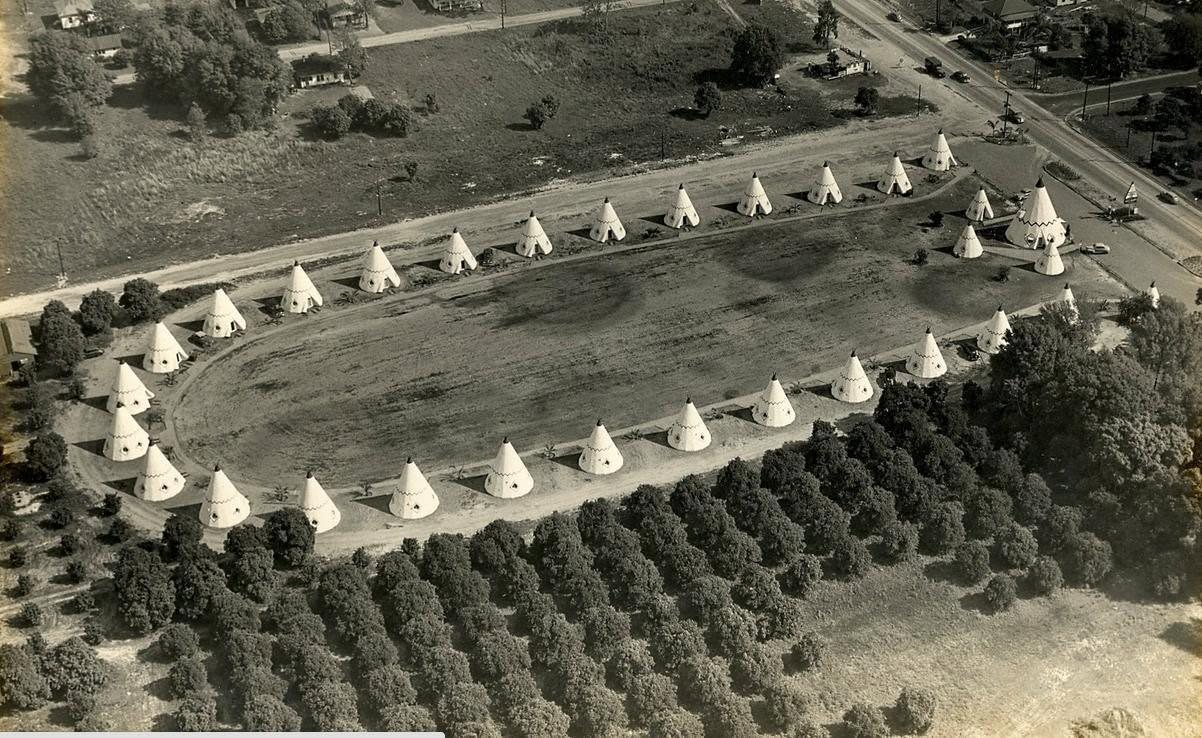
Village #4 started in 1948 in Orlando, Florida. Of all the villages constructed, this one was the largest. 31 teepees formed a “U” shape around a central courtyard that included a pool. The motel closed in 1974 as theme parks, interstate 4, and larger chain hotels redefined the area.
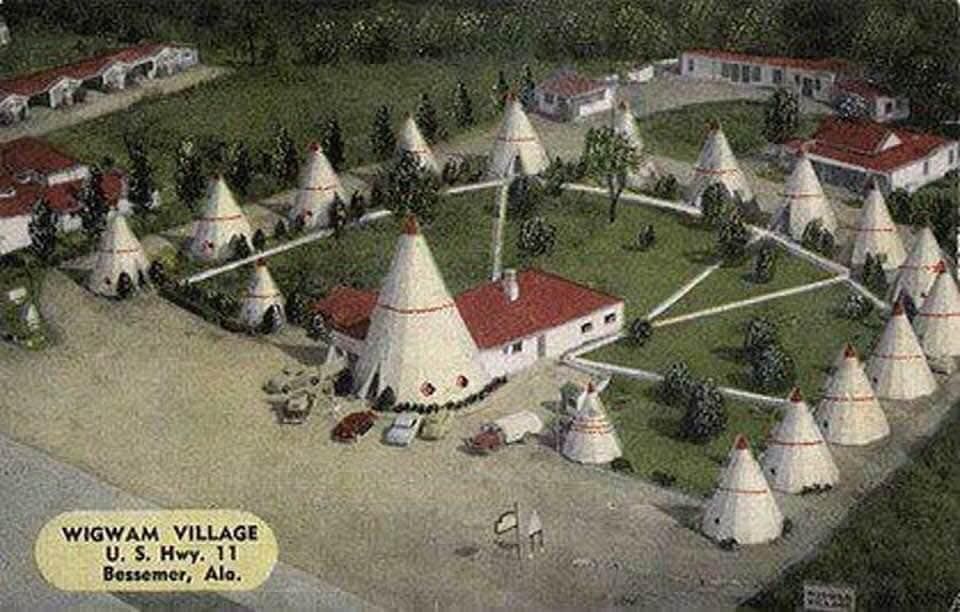
Village #5 began in 1941. The village numbering was based on licensing rather than the date a location was actually opened. Even though Village #5 started before Village #4, their numbering reflects when approval was granted. Village #5 was located in Bessemer, Alabama. The teepees at this location were unique because instead of being made by using stucco, rooms were wrapped in canvas treated with linseed oil. The motel closed its doors in 1964 as the Interstate Highway System diverted traffic away from the location. The elements quickly damaged these less fortified structures, and the property was razed in 1970.
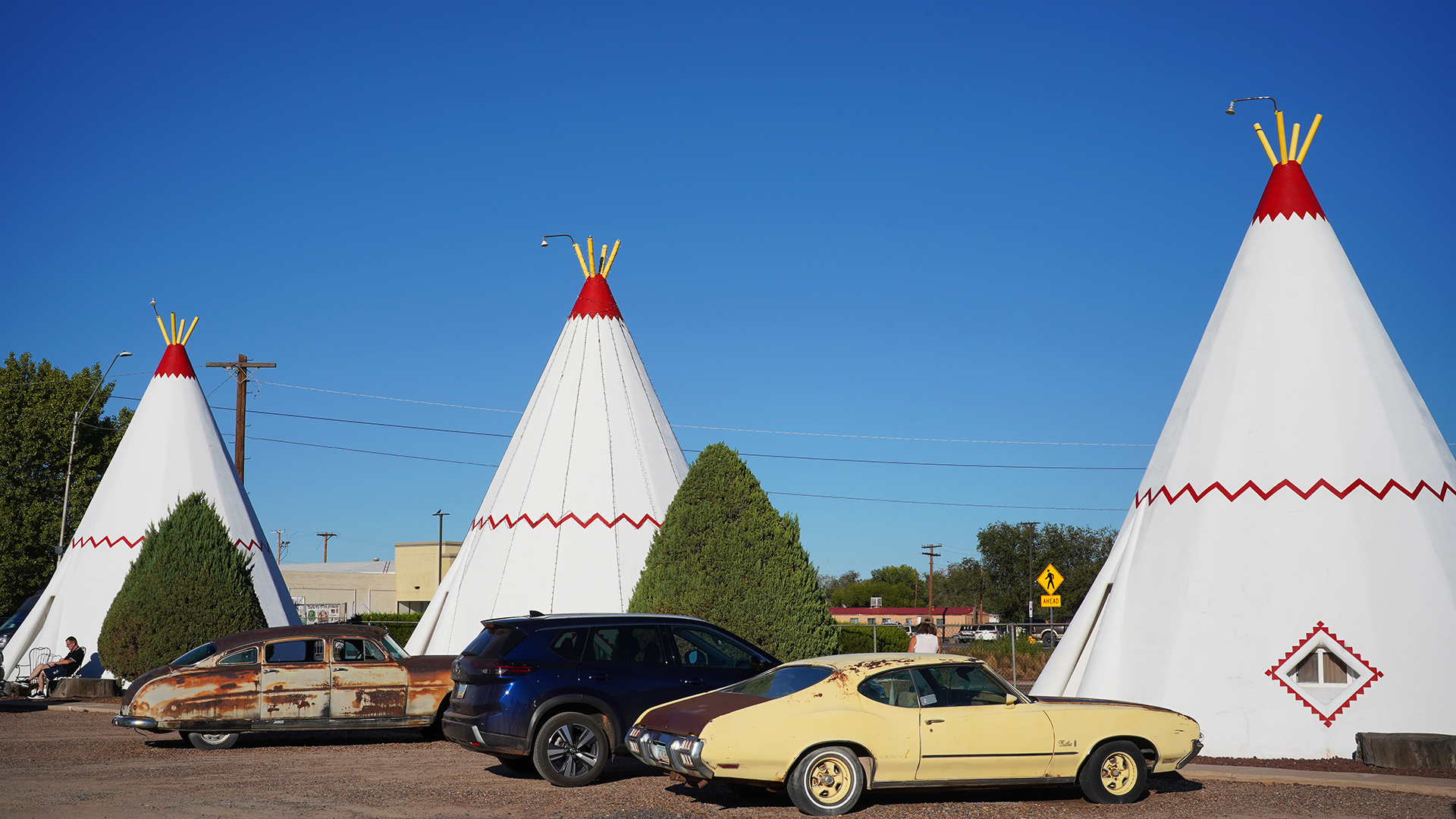
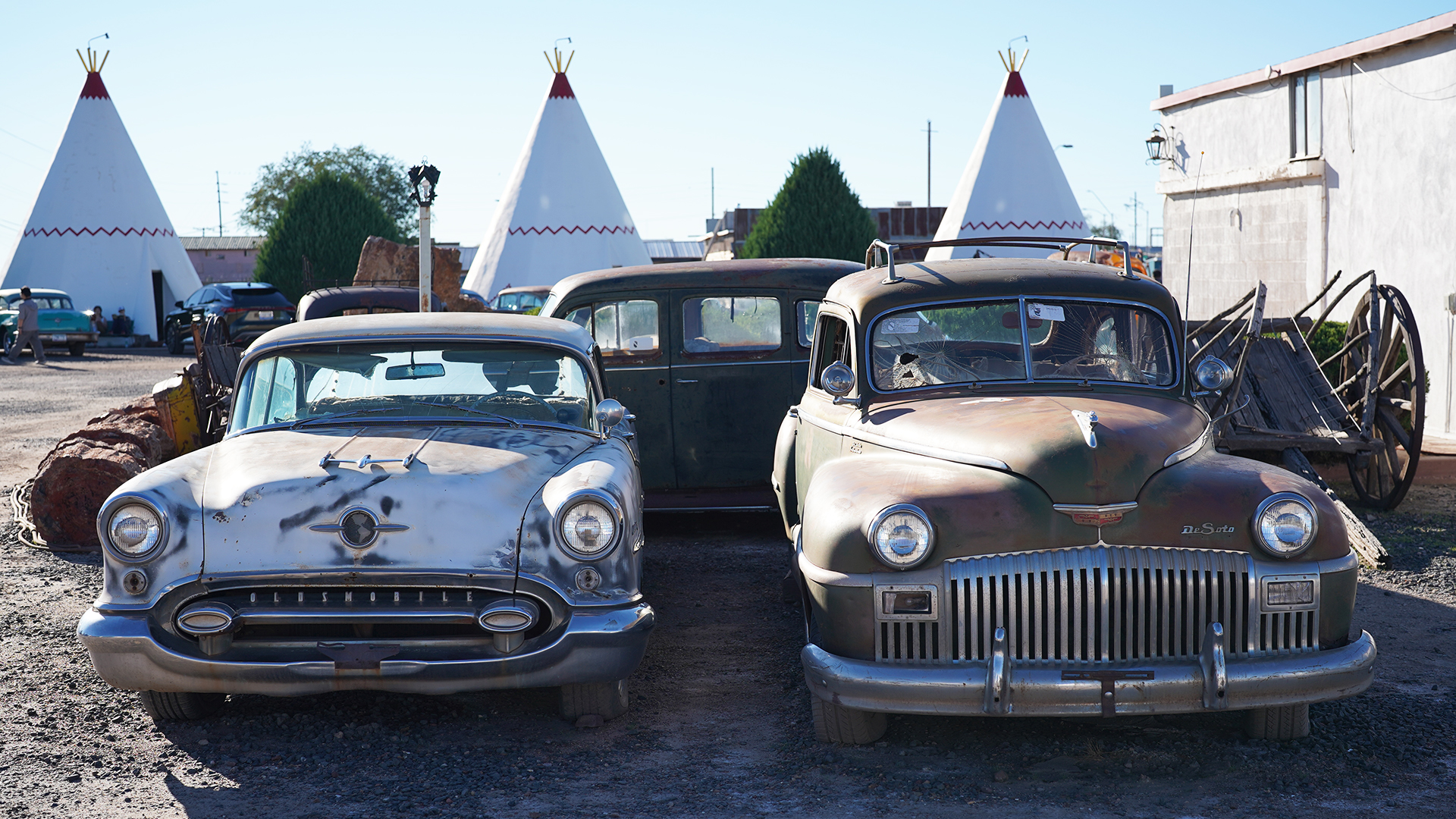
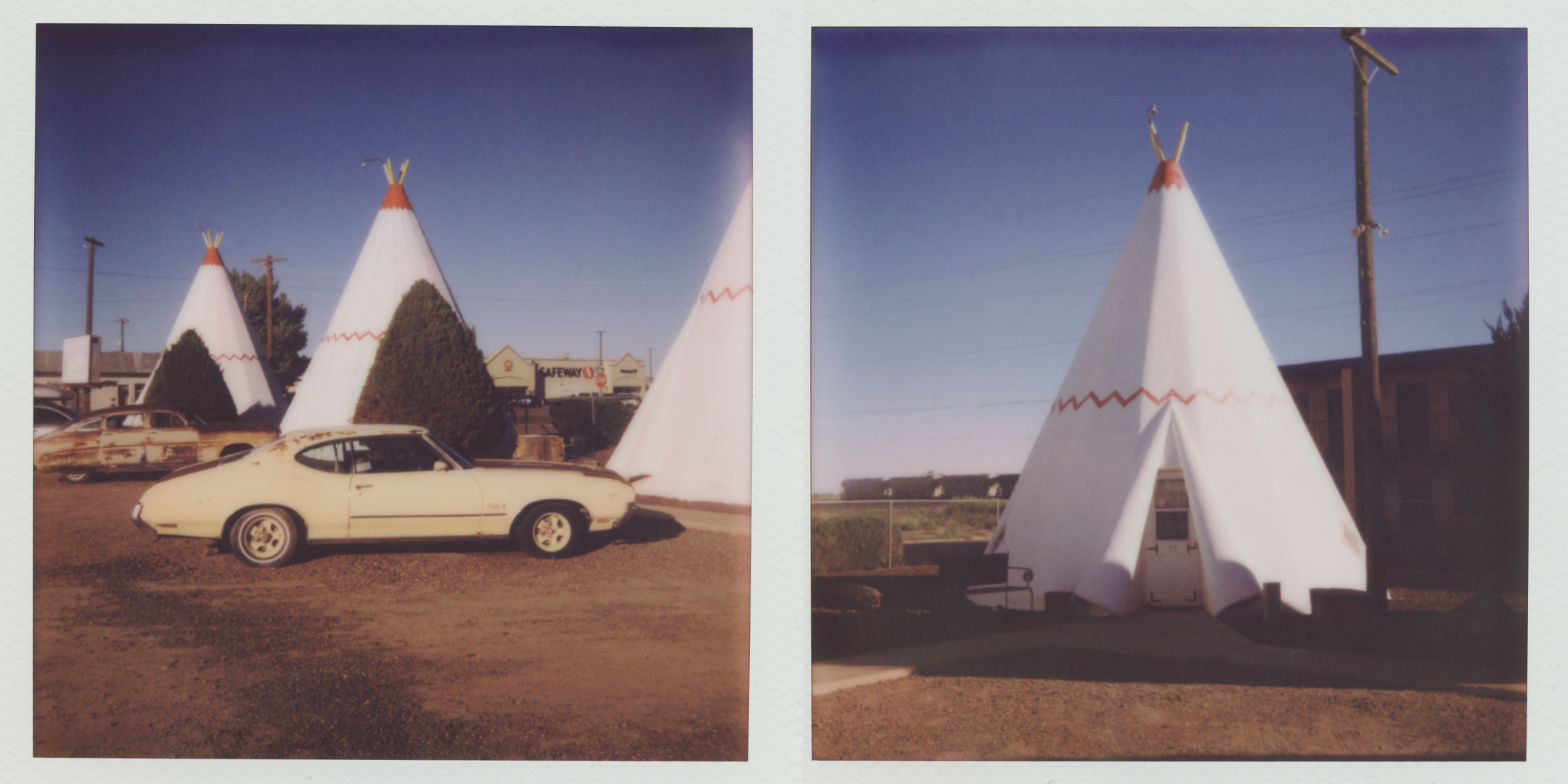
Village #6 brings us back to the Dust Bowl Highway. The Wigwam Village in Holbrook, Arizona opened its doors in 1950. This village was built by a man named Chester E. Lewis. He purchased blueprints and a license from Redford. Redford received royalties from the property in the form of 10 cent dimes: coin-operated radios were placed in each room and the coins that were inserted were sent back to Redford as payment. Only on Route 66 will you find a business agreement as unique as this.
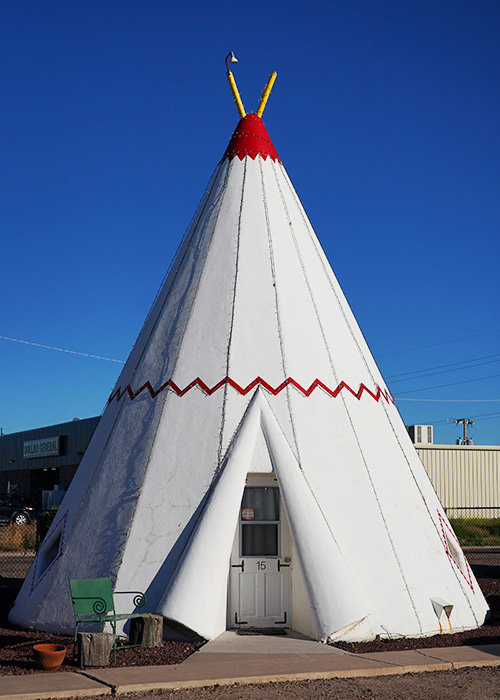
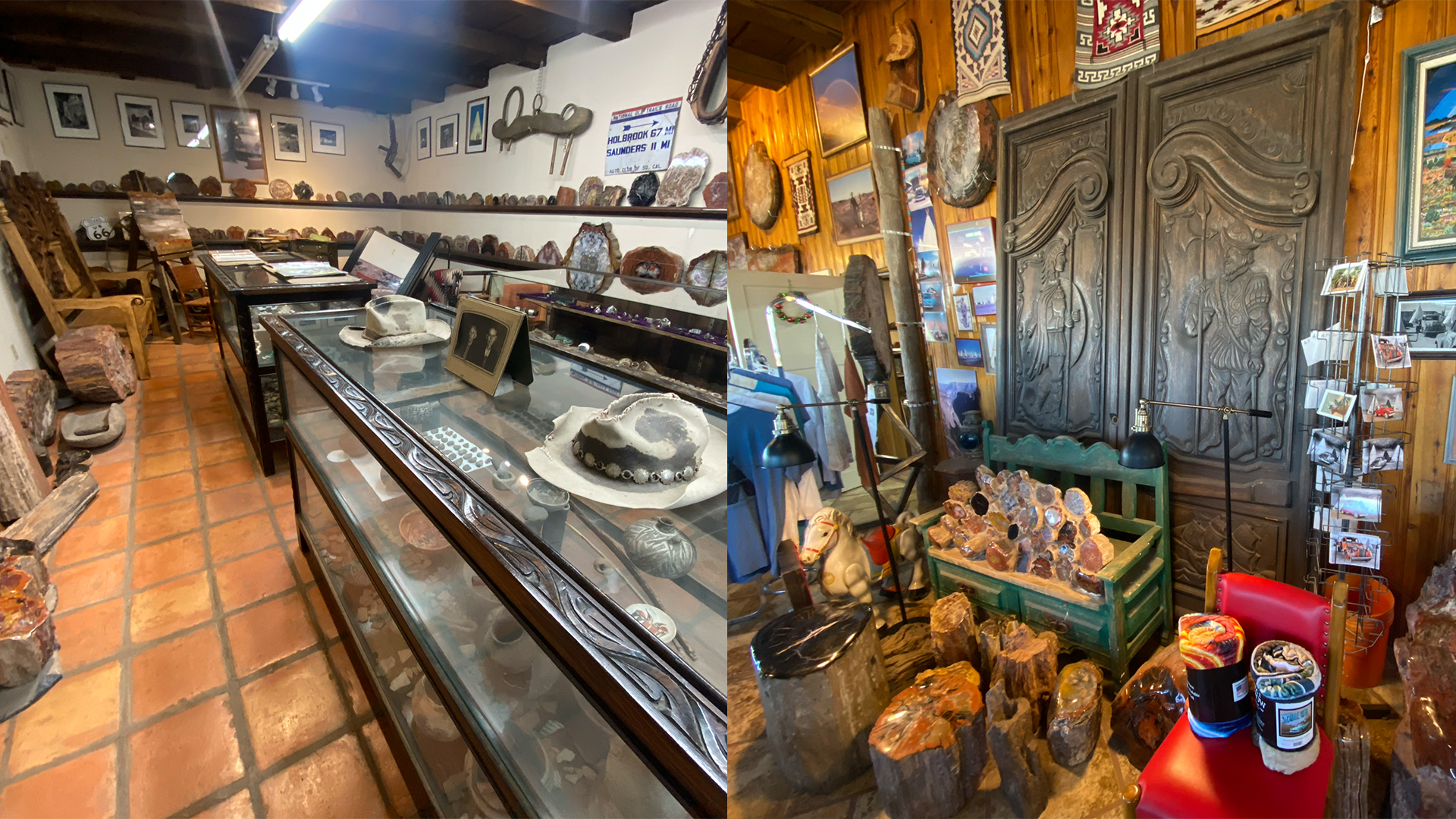
The parking lot is filled with old cars and the lobby has a one of a kind gift shop with memorabilia from the road. There’s also a small room attached to the main office that is full of artifacts relating to the history of the area. The collection demonstrates how this region of Arizona was settled, provides examples of its geological history, as well as a look into Wigwam Village No. 6’s past. The village remains in operation today thanks to these teepee structures being synonymous with Mother Road lore.
Finally we get to Village #7 which keeps us cruising along Route 66. Located in San Bernardino, California, this final installment of the Wigwam Villages is roughly 80 miles from the end point of the Mother Road. Redford actually moved out to California in the late 1940’s to oversee the construction of this village. The establishment was open to the public by 1949. This village consists of 19 guest teepees and a large (52′) central teepee for offices. The location has two rows of teepees, one on either side of a horseshoe drive which allows guests entry and exit. Palm trees, grills, and a swimming pool make this spot feel distinctly Californian.
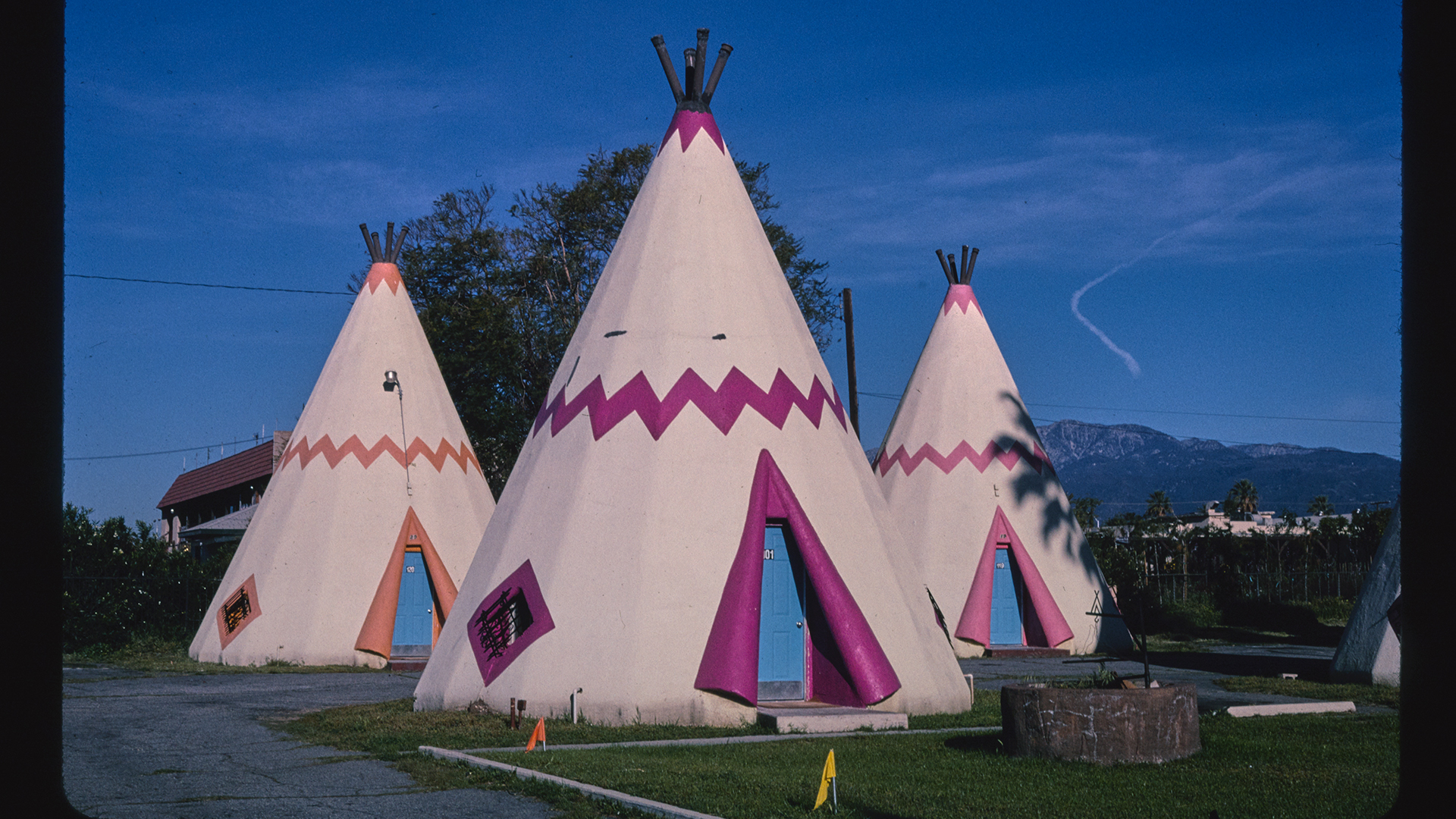
Overtime this location fell into disrepair. The construction of Interstate 15 and 10 in the 1970s eventually forced the motel into a pay-by-the-hour joint. It became associated with crime, prostitution, and drugs. The signs that were added which read “Do it in a Tee Pee” did not help to thwart the Village’s seedy underbelly.
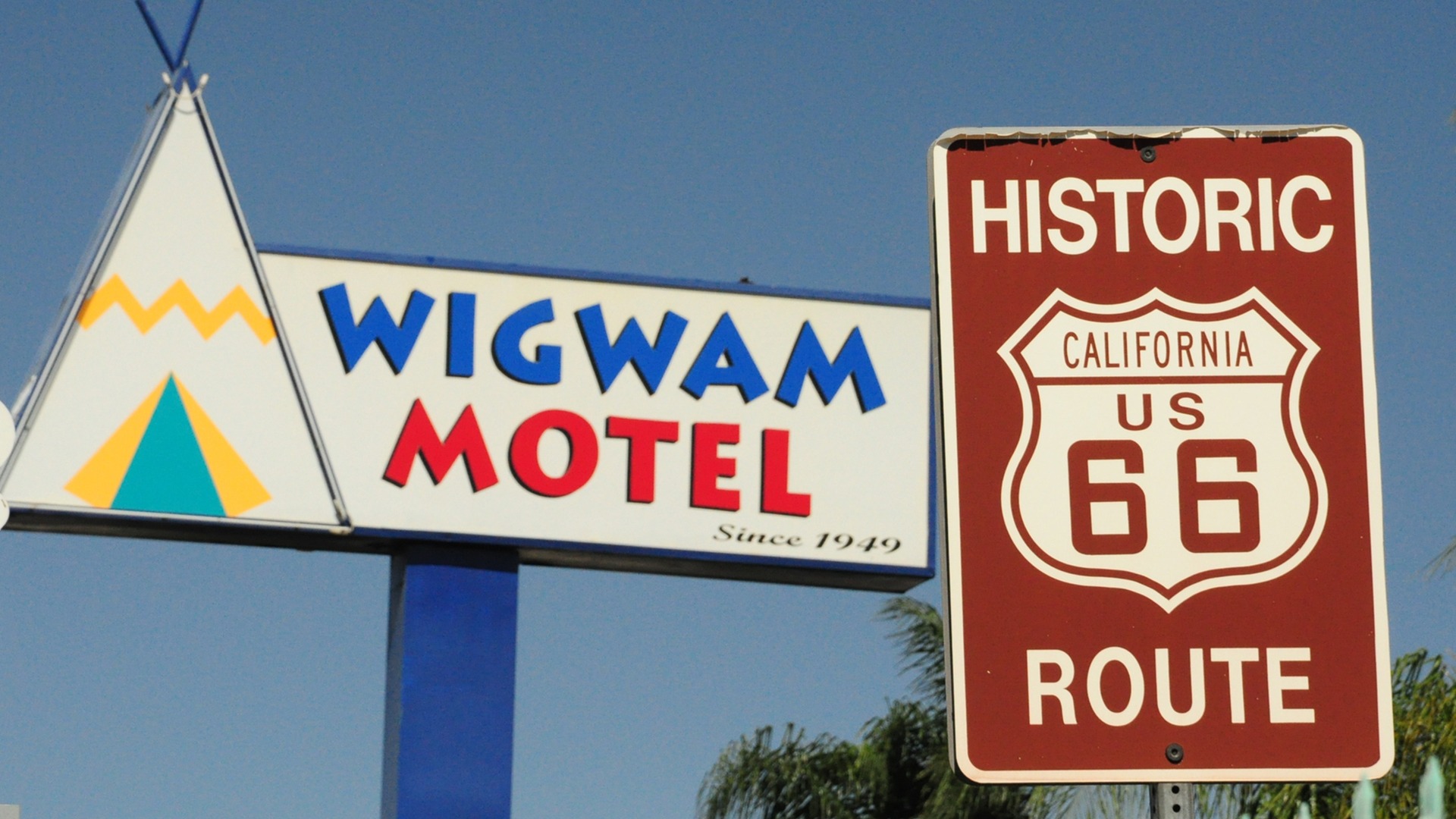
That all changed in 2003 when the Patel stepped up, bought the property, and restored it to its original architectural glory. In 2012 the motel was listed on the National Register of Historic Places. That same year it also won the National Route 66 Preservation Federation Award. These two accolades cemented Village #7 as not only a piece of architectural history, but as a living example of functional Route 66 accommodations.
Sleep the native way!