Switch to the dark mode that's kinder on your eyes at night time.
Switch to the light mode that's kinder on your eyes at day time.
King of Its Kind: KiMo
The KiMo Theatre, located in Albuquerque, New Mexico, is as rich in history as Route 66 itself. The theater’s origins begin with Oreste and Maria Bachechi who came up with the idea for the structure. Mrs. Bachechi’s family had historically been welcomed by the Native Americans of the area and thus she wanted to pay homage to the indigenous peoples through the aesthetics of the theater. Carl Boller from the Boller Brothers architecture firm drew up a design for the theater after extensive research trips through the New Mexico Pueblo regions. The Bachechis were thrilled with his plan. Tony Hisgett from Birmingham, UK, CC BY 2.0Tony Hisgett from Birmingham, UK, CC BY 2.0
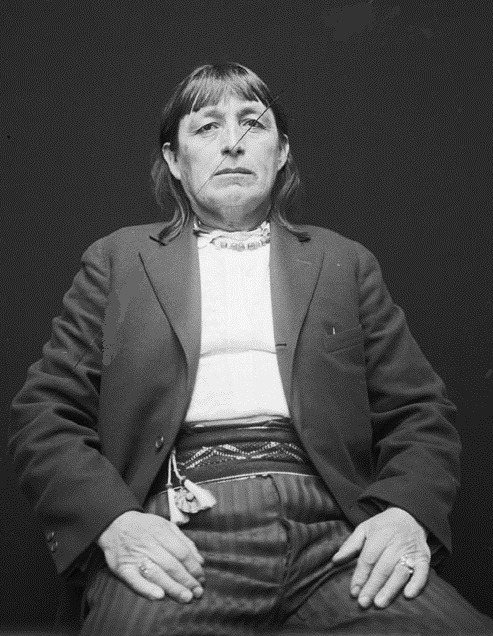
A contest was held to determine the name of the new theater. It was former governor of the Isleta Pueblo, Pablo Abeita, who won the contest – and $50 – with the suggestion “KiMo.” KiMo comes from the Tiwa word meaning “mountain lion” but is more commonly interpreted as “king of its kind.” A fitting tribute to the new palatial structure and its historical indigenous history. Pablo Abeita, governor of Isleta Pueblo. Credit: Bougnat87, CC BY-SA 3.0The KiMo opened in 1927 with Native American dance performances and black and white films. Audience members included prominent politicians. The theater was immediately embraced and as a cultural icon and social landmark. National Archives and Records Administration
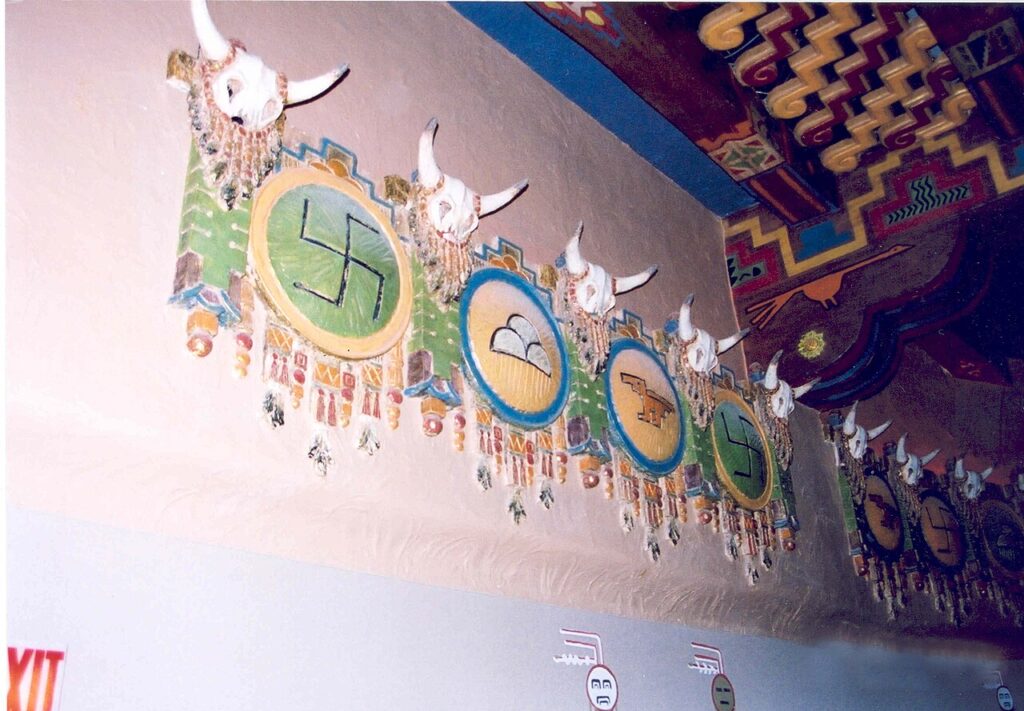
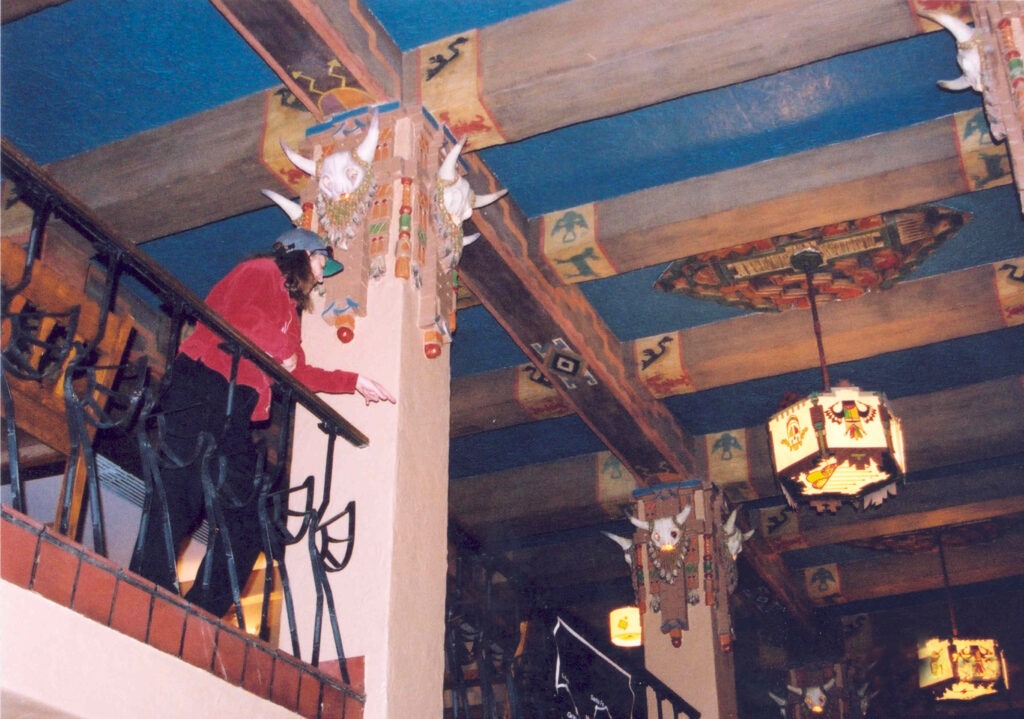
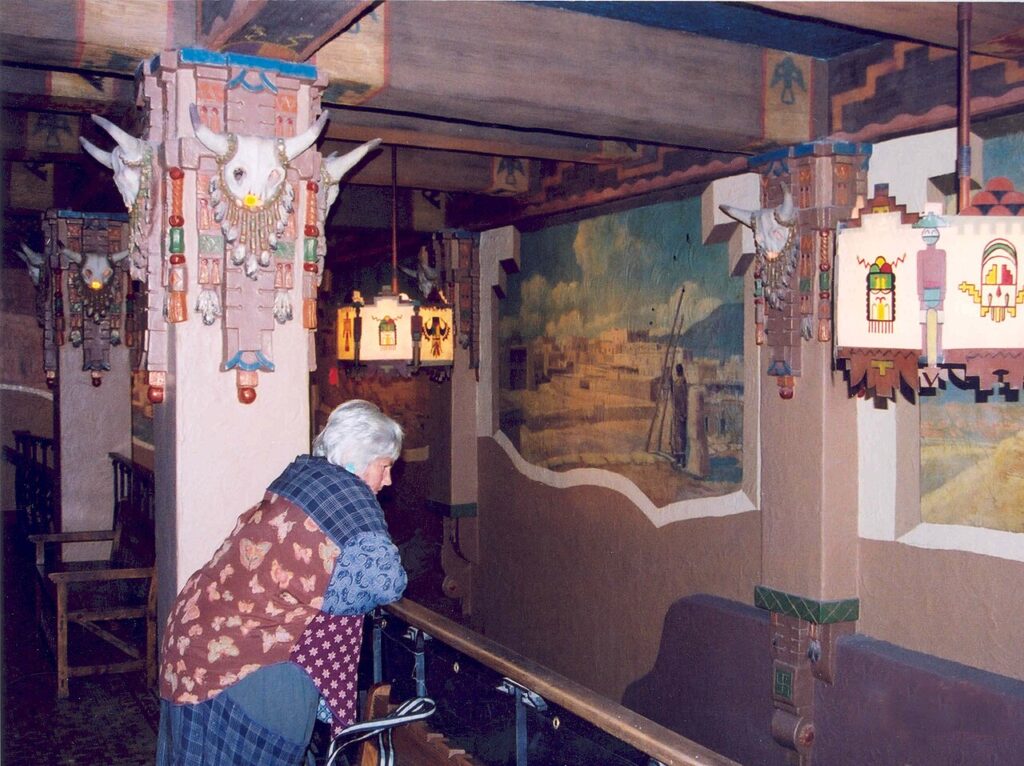
The attention to detail in this space is thorough to say the least. Vigas run across the ceiling supporting the roof (although in reality they are plaster lookalikes rather than wood). The iron railings are designed with animals that are native to the area. Buffalo skulls adorn the auditorium. Red bulbs in their eyes glow dimly during performances. Incredible hand-painted murals depict conquistador Francisco Vazquez de Coronado’s search for the seven cities of Cibola.
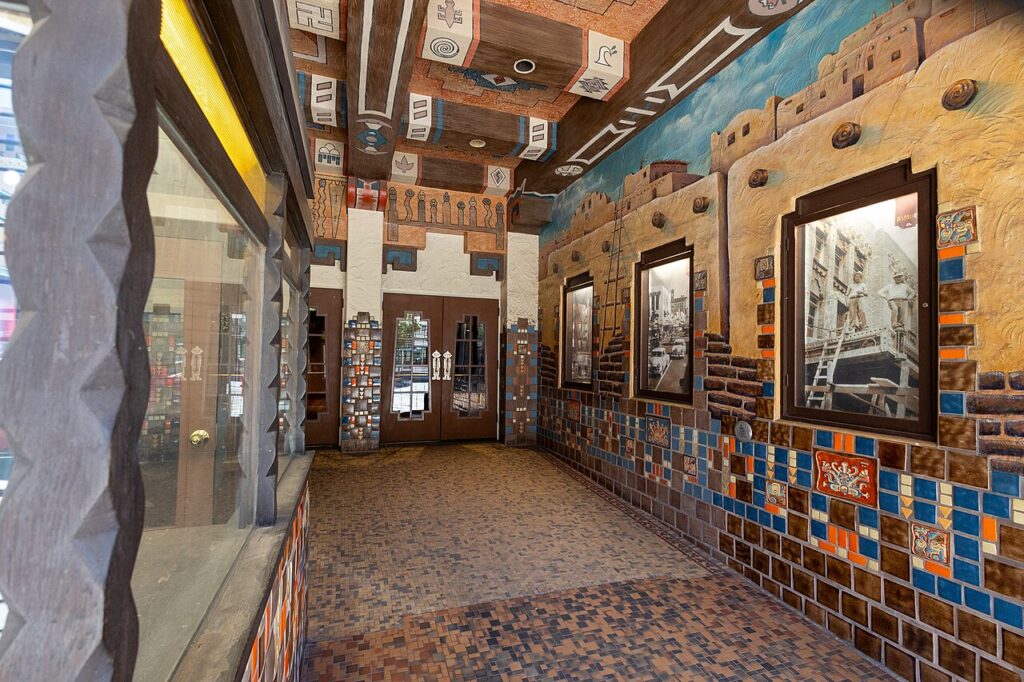
Interior of the KiMo. Note the birds in the railings. Photo by A. E. Crane, National Archives and Records Administration.KiMo Theater Lobby. Photo by A. E. Crane, National Archives and Records Administration.
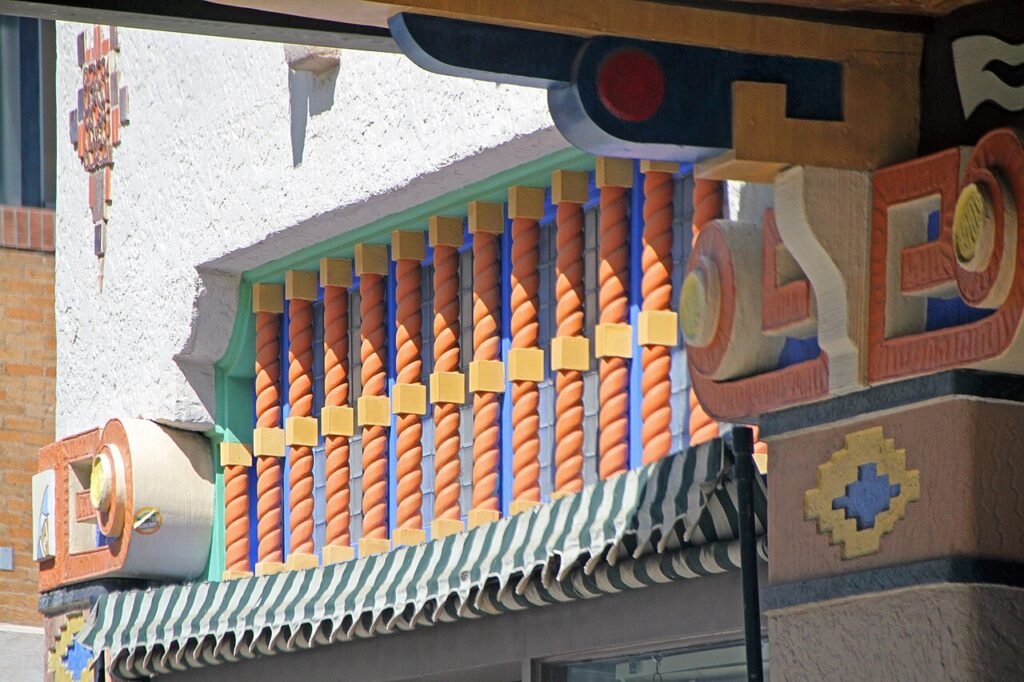
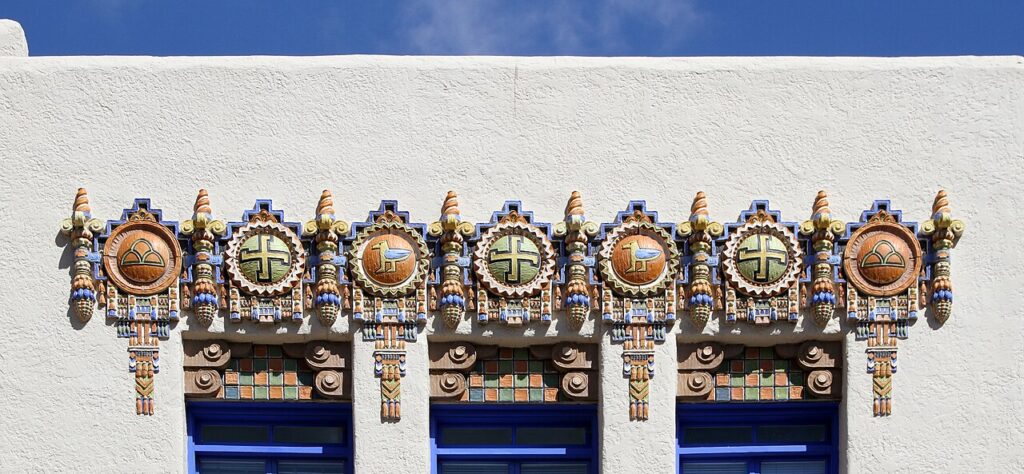
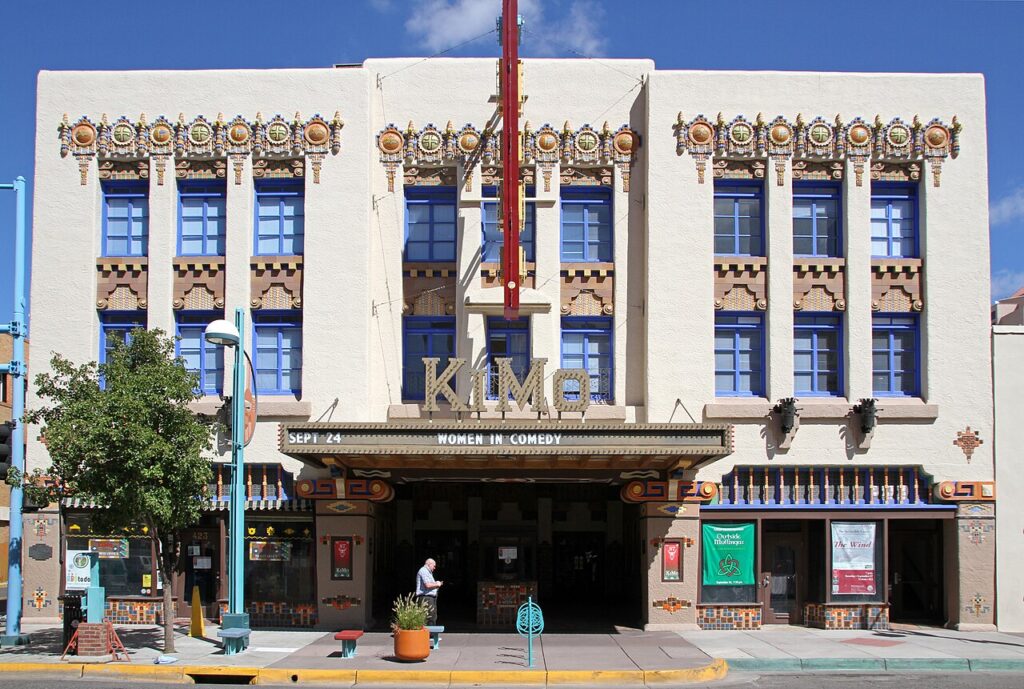
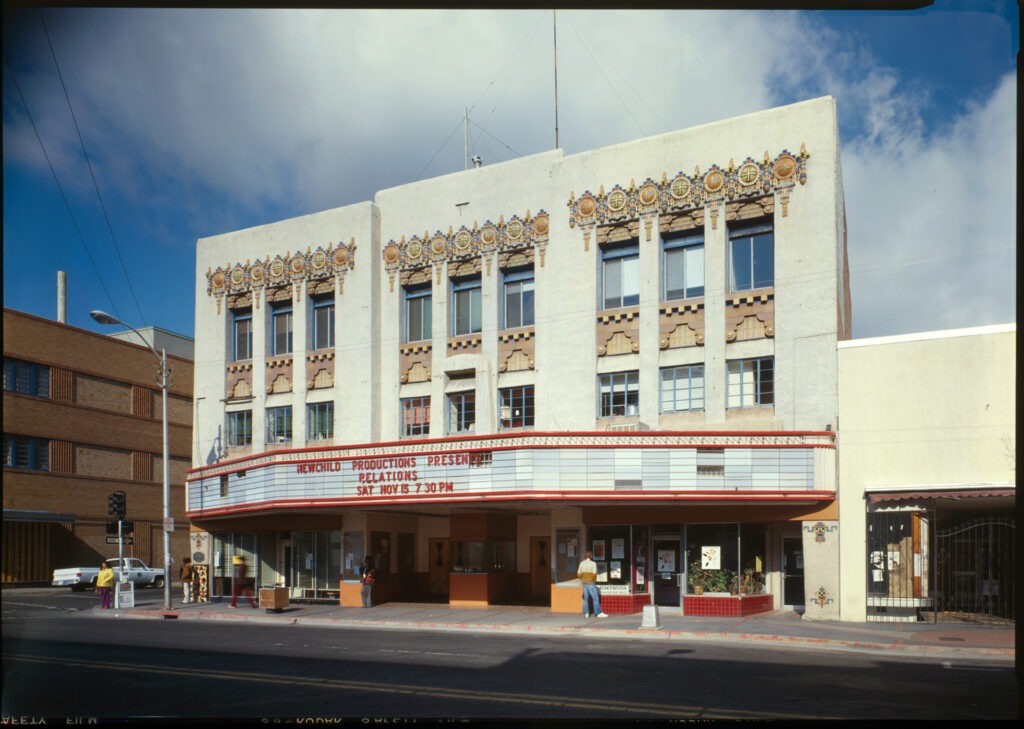
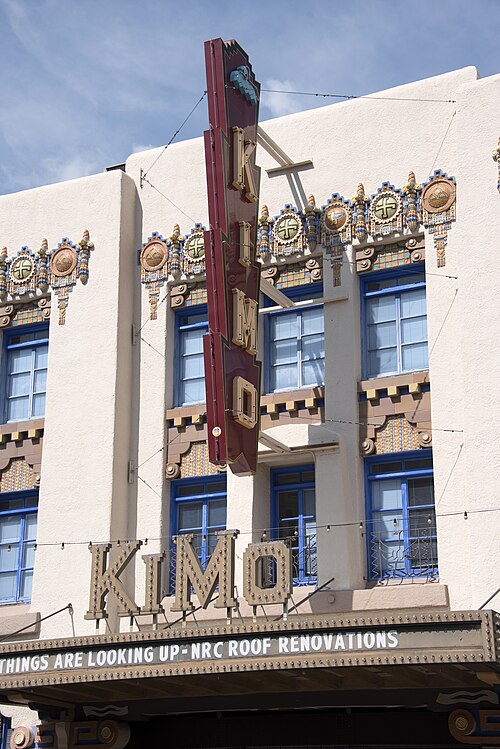
Externally, a sand colored stucco reminds patrons of adobe pueblos. Terra Cotta shields sit above the third story windows. A tiered roof is indicative of Taos Pueblos dwellings. The building itself, inside and out, is as impressive as the performances that happen on its stage.
Tony Hisgett from Birmingham, UK, CC BY 2.0 Kenneth C. Zirkel, CC BY 4.0
Albuquerque’s population, and the KiMo’s popularity, soared through the 1950s and into 1960 but that quickly changed over the course of the decade. First, a massive fire ravaged the KiMo destroying the main stage and the proscenium arch. This hurt the theater financially because they were unable to put on large performances anymore. Economics were also changing due to urban sprawl during the 1960s. Families were moving out of the city and into suburban areas. Downtown commercial areas that were once highly trafficked quickly saw a decline as businesses relocated to suburban malls. The construction of newer faster highways like the I-40 bypassed business districts that Route 66 once led travelers to. Eventually the building’s structure was compromised and it fell into disrepair. By the late 1970s, it was facing the prospect of demolition. 1980 Historic American Buildings Survey photo.
As with many landmarks along Route 66 it’s thanks to a grassroots effort that the building was saved. In 1977 citizens of Albuquerque voted to save the Theatre and volunteers banded together to begin a restoration movement. Through their efforts, the KiMo was converted into the performing arts center we know today.
In 2000 another major renovation took place. 650 seats were added to the theatre in the style of the original 1927 chairs. The proscenium arch was rebuilt and a new stage curtain was added. Professional lighting was also built into the ceiling. In 2011 a re-creation of the original KiMo sign was added to the exterior – restoring a certain glory to the establishment.
Photo: Gillfoto, CC BY-SA 4.0
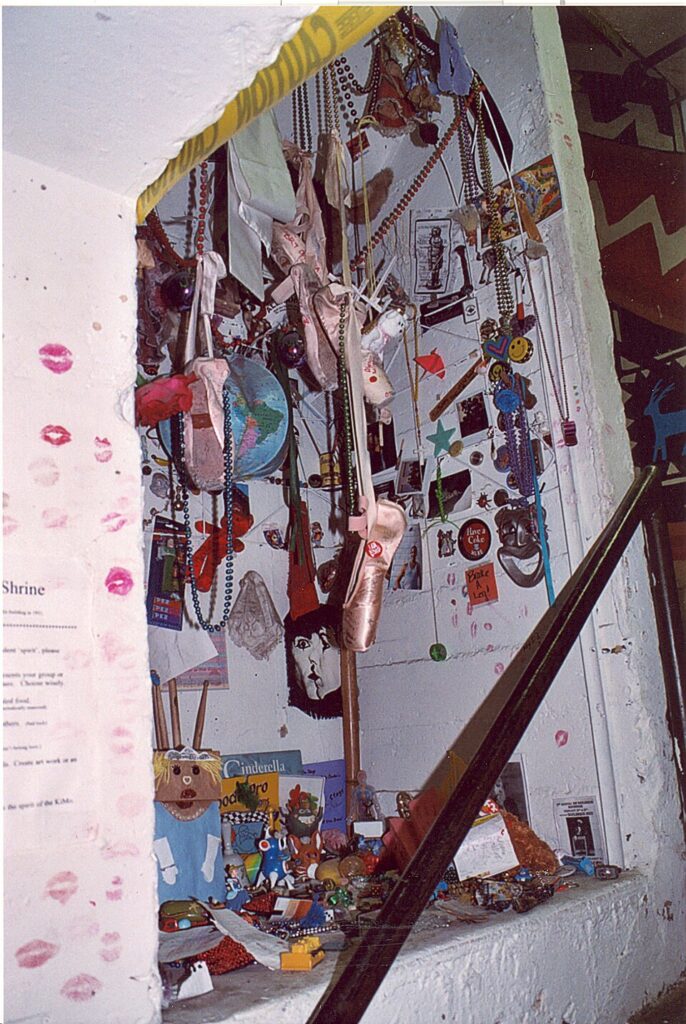
In addition to architectural achievements, interior detail, and theatrical professionalism, the KiMo is also famous for a more eerie occurrence. In 1951 a tragedy took place in the theater. Six-year-old Bobby Darnall was killed when a basement boiler exploded beneath the lobby’s concession stand. He was running from the balcony after being frightened by something he saw on the screen when he was met by a fiery inferno. To this day, Bobby’s spirit haunts the KiMo Theatre. It is said that he brings good luck to performers who leave him gifts. There is a shrine to Bobby in the KiMo that is full of trinkets left by performers before they go on stage.Shrine. Photo by BRad06, CC BY-SA 4.0, via Wikimedia CommonsThe KiMo is a legendary establishment on Route 66. The theater is almost as old as the route itself (one year short) and has seen as many changes as the mother road has seen realignments. Both 66 and the KiMo have rode the waves of time, economic change, and population fluctuation. They have experienced tragedy and restoration. Most importantly, the KiMo and Route 66 are thriving today. With a wide array of performances available, tourists and 66 aficionados alike can experience a night of arts, culture, and history at the KiMo in Albuquerque. The legacy of Route 66 and its landmarks continue to breathe artistic life into a stagnant culture that has forgotten the American ideals of freedom and expression. “So long as men can breathe or eyes can see, So long lives this, and this gives life to thee.”