Switch to the dark mode that's kinder on your eyes at night time.
Switch to the light mode that's kinder on your eyes at day time.
Two Guns, Arizona: Myths and Realities of a 66 Ghost Town
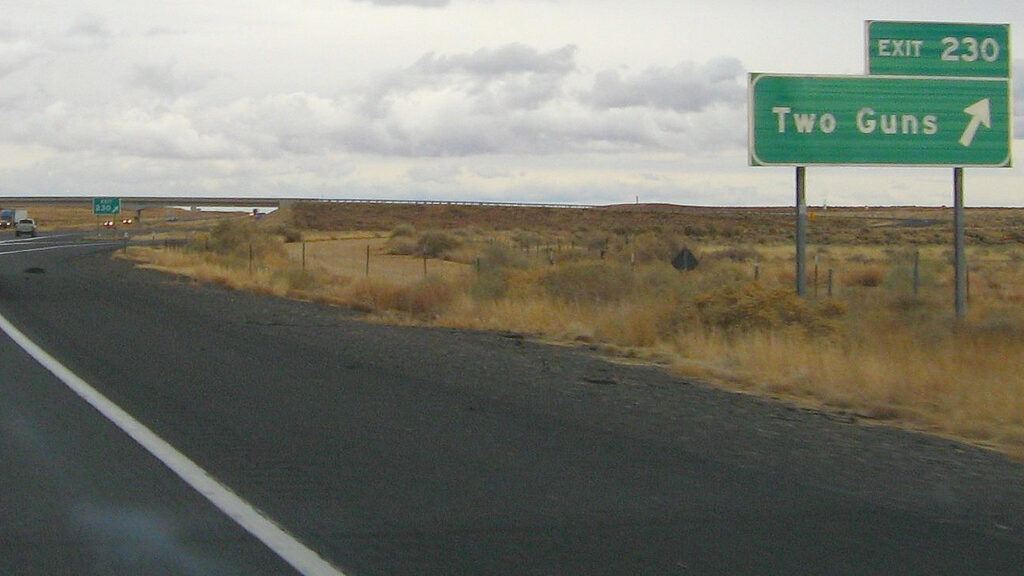
Two Guns, Arizona is a ghost town located East of Flagstaff along the rim of Canyon Diablo. It’s abandoned now but it was once a tourist stop on Route 66. Tales of the Apache and Billy the Kid are told when one mentions Two Guns, but are these merely legends? Some even believe this stretch of land to be cursed. Is Two Guns proof of the supernatural, or is it merely an example of failed commercialism along the Mother Road?
Eric Friedebach, CC BY 3.0, via Wikimedia Commons
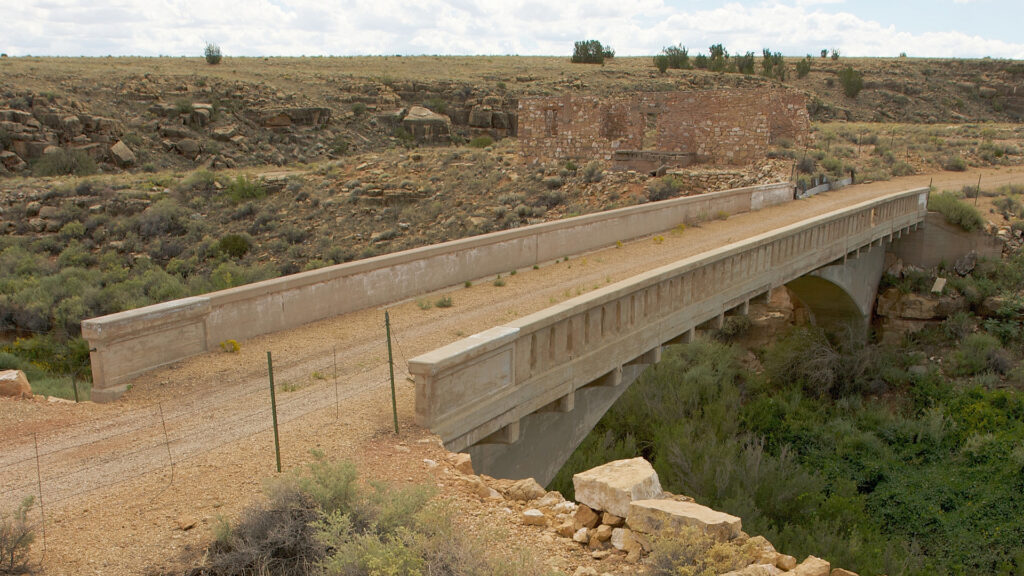
Remains of Native American tribes have been found in Two Guns, dating back to 1050. By the 1800s, American settlers moved west, and took interest in the Two Guns region as an effective crossing point over Canyon Diablo. As the area developed, so did stories associated with the area.
Marcin Wichary from San Francisco, U.S.A., CC BY 2.0, via Wikimedia Commons
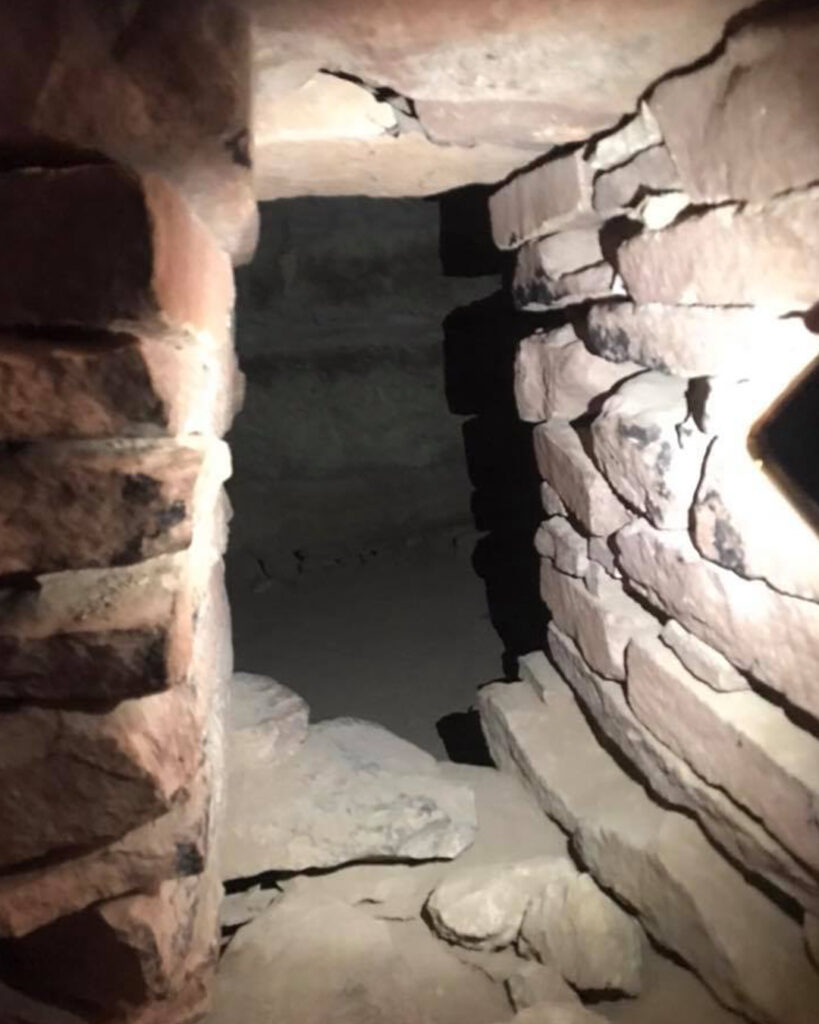
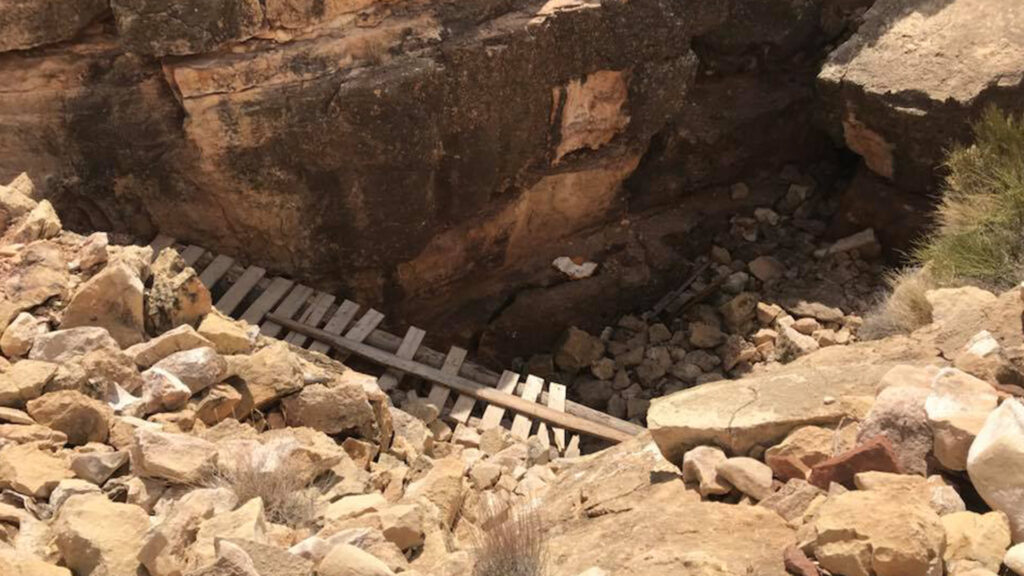
The most famous account from Two Guns is that of the Apache murders in 1878. The Apache had raided a Navajo settlement, killing members of the tribe and taking hostages. The Navajo then pursued the Apache who seemed to disappear into thin air. Actually, the Apache had taken shelter in a cave along the edge of Canyon Diablo to avoid being caught.
While searching the area, the Navajo heard voices coming up through the rocks and realized their opponents were hiding beneath them. They also learned that the hostages the Apache had taken, were already dead. In retaliation, the Navajo lit a brushfire outside the cave entrance to smoke out the Apache.
In total, 42 Apaches died from asphyxiation and by the Navajo warriors lying in wait.
Marine 69-71, CC BY-SA 4.0, via Wikimedia Commons
While this is a widely known story, it’s probably not historically accurate. Most likely this is a work of pure fiction. The first time an account of The Apache Death Cave is mentioned is in 1967, in an article in Big West Magazine. A year later the event was recounted in book about the history of Two Guns – coincidentally written by the same author as the Big West article. Also, If you look at the dimensions of the cave it is hard to believe that 42 Apaches with their horses fit into the dwelling.
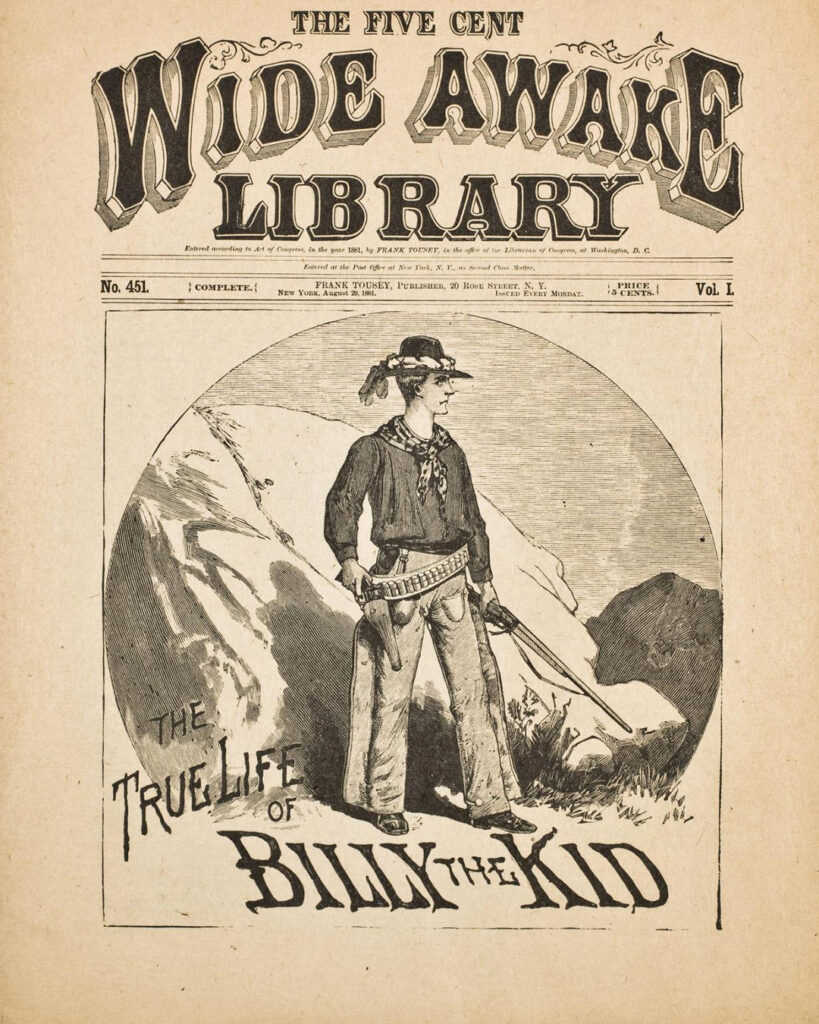
Another account associated with this cave is that In 1879, legendary outlaw Billy the Kid and his gang took shelter here. Like the Apache story, their is no historical evidence from that time to support this claim. More likely than not, the tale was drummed up to increase tourism to the stop.
Unsigned, Public domain, via Wikimedia Commons
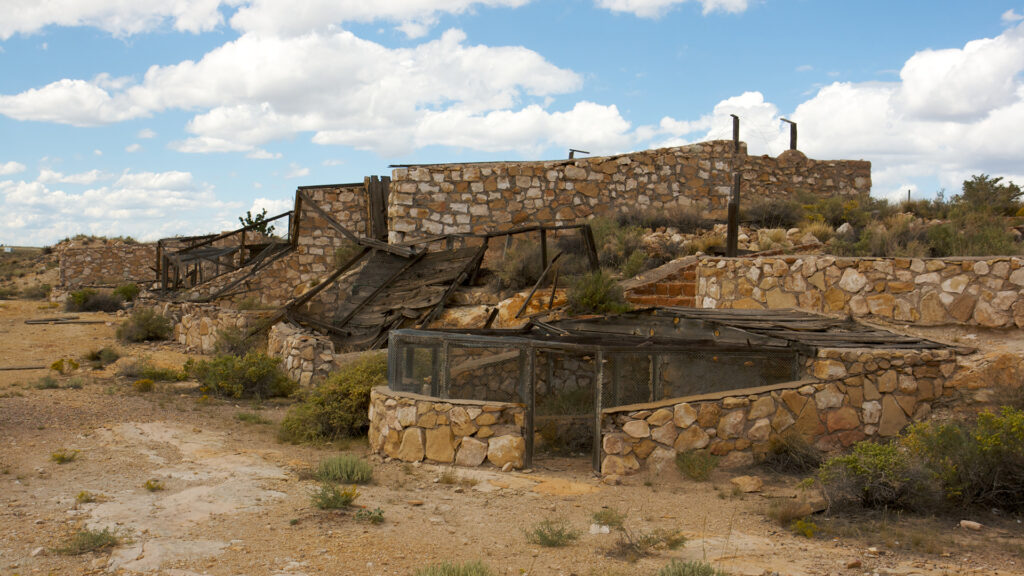
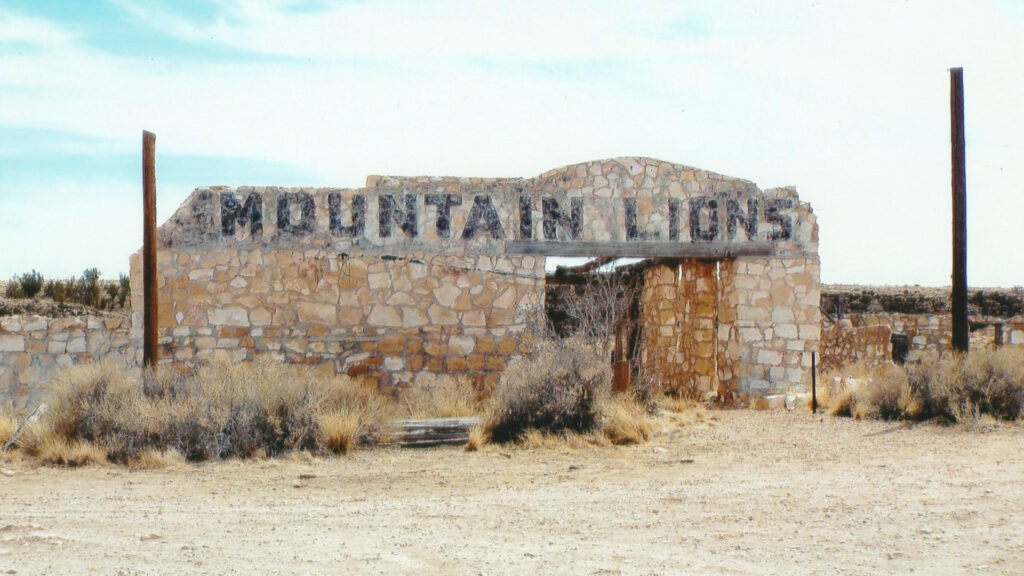
Two Guns was first settled by Ed Randolph who built a general store next to the death cave. In 1922, Earle and Louise Cundiff bought 320 acres from Randolph and attempted to establish the arid region. They built a trading post, a restaurant, and a gas station. In 1925 they leased property to Harry E. Miller who wanted to further develop the land. He was an eccentric fellow who called himself “Chief Crazy Thunder” claiming to have Apache blood. He built a restaurant, an Indian trading post, and even a zoo. The zoo was made of brick, mortar, and chicken wire. In this makeshift reserve he housed mountain lions, cougars, gila monsters, and a lynx amongst others. The cages were small and unsafe – the zoo would never have passed inspection in modern times.
Marcin Wichary from San Francisco, U.S.A., CC BY 2.0, via Wikimedia Commons
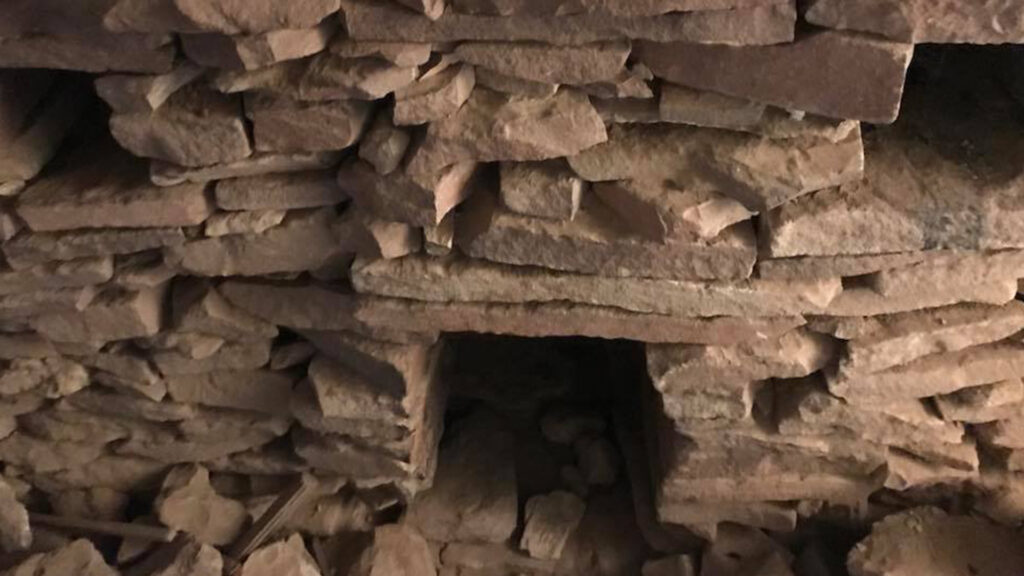
Miller also cleared out the Apache cave and made it into a tourist attraction. He built cave dwellings within the system, which he claimed were authentic Native American habitations. Some have said that as he cleared out the cave, he found Apache skulls which he sold to tourists. This claim is most likely false, as once again, there is no evidence to support the selling of bones. Miller also coined the town’s name. Two Guns was a homage to the silent film actor William S. “Two Guns” Hart, whom Miller claimed to have worked with.
Marine 69-71, CC BY-SA 4.0, via Wikimedia CommonsWas Harry Miller an entrepreneur, a huckster, an idiosyncratic dreamer, or was he mentally unhinged? In 1926 Route 66 was established with the road passing through Two Guns. That same year, Miller got into an argument with Earle Cundiff regarding his lease. Miller shot an unarmed Cundiff to death. Miller claimed self defense and was miraculously acquitted of the murder – but bad fortune was in store for Miller, and Two Guns. In 1929 Miller’s store burned. He was then mauled by not one, but two of his mountain lions. A venomous gila monster also bit him, causing him to flee Arizona.
Ken Lund from Reno, Nevada, USA, CC BY-SA 2.0, via Wikimedia Commons
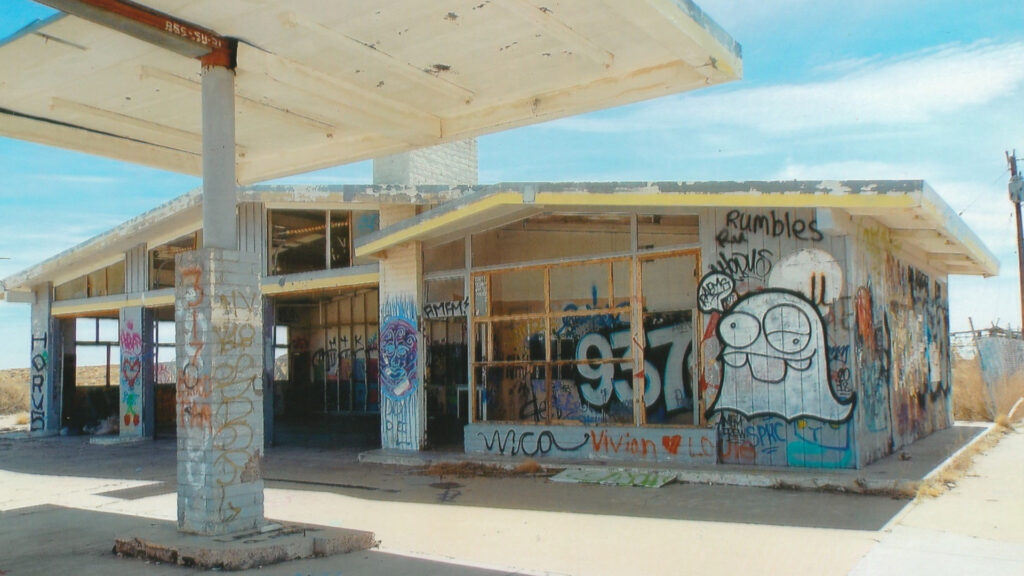
Louise Cundiff attempted to keep the town alive by building a new tourist store, and opening the Two Guns Texaco service station. She also relocated the zoo. When Interstate 40 was constructed it bypassed Two Guns, and the town began to slip into decline. In 1971 the service station in Two Guns also burned. This was a death blow to the town.
Marine 69-71, CC BY-SA 4.0, via Wikimedia Commons
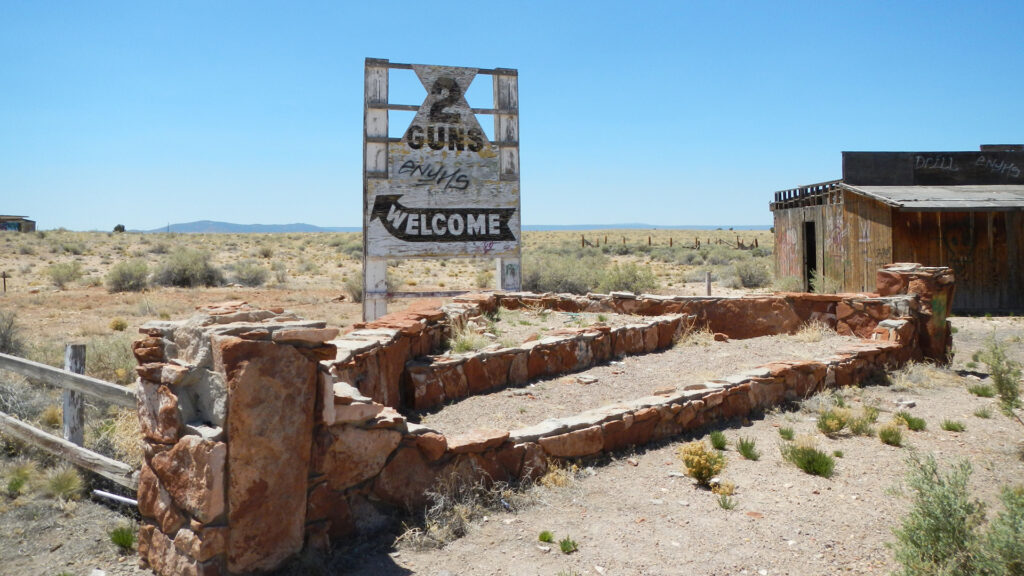
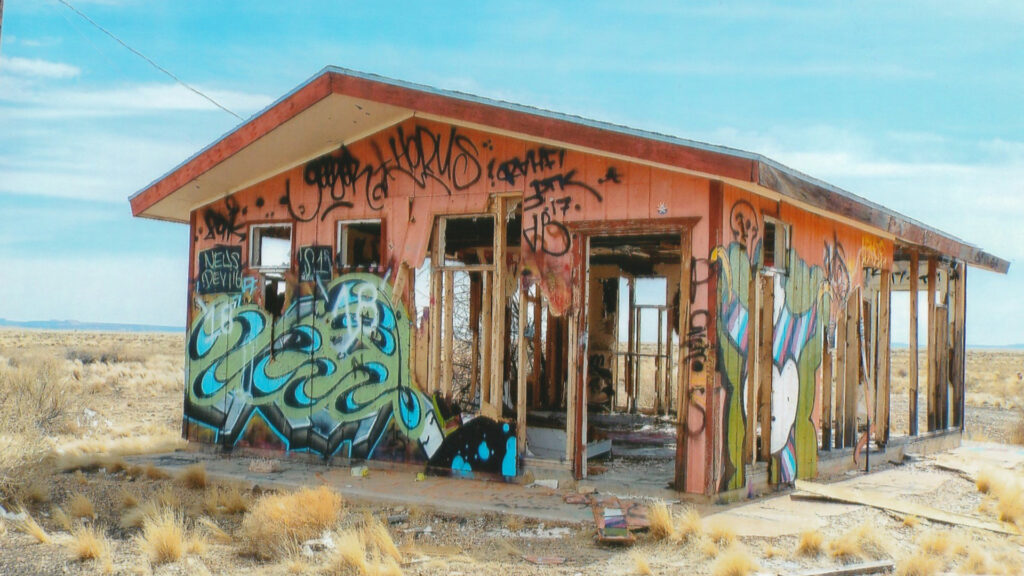
Now all that is left of Two Guns are abandoned ruins. Burnt out gestations, a sign reading “Mountain Lions” from the former zoo, and the remains of the Apache cave are left to be explored by history buffs and 66 enthusiasts.
Marine 69-71, CC BY-SA 4.0, via Wikimedia Commons
Was Two Guns ill fated from the beginning? Is the landscape just too inhospitable to allow it to prosper? Is there some sort of supernatural curse on the location that keeps it from being capitalized on? Do the events that took place at the Apache death cave have any basis in history? Two Guns Arizona, is a haunting relic of the American West. Shadowed by Native American lore and the settlement of these regions, its a story as elusive as the winds that blow through Canyon Diablo.
Marine 69-71, CC BY-SA 4.0

.jpg)


_cover_(1945_reprint).jpg)


_on_Interstate_40.jpg)


