Switch to the dark mode that's kinder on your eyes at night time.
Switch to the light mode that's kinder on your eyes at day time.
The Coleman Theatre Beautiful: A Gem on the Dustbowl Highway
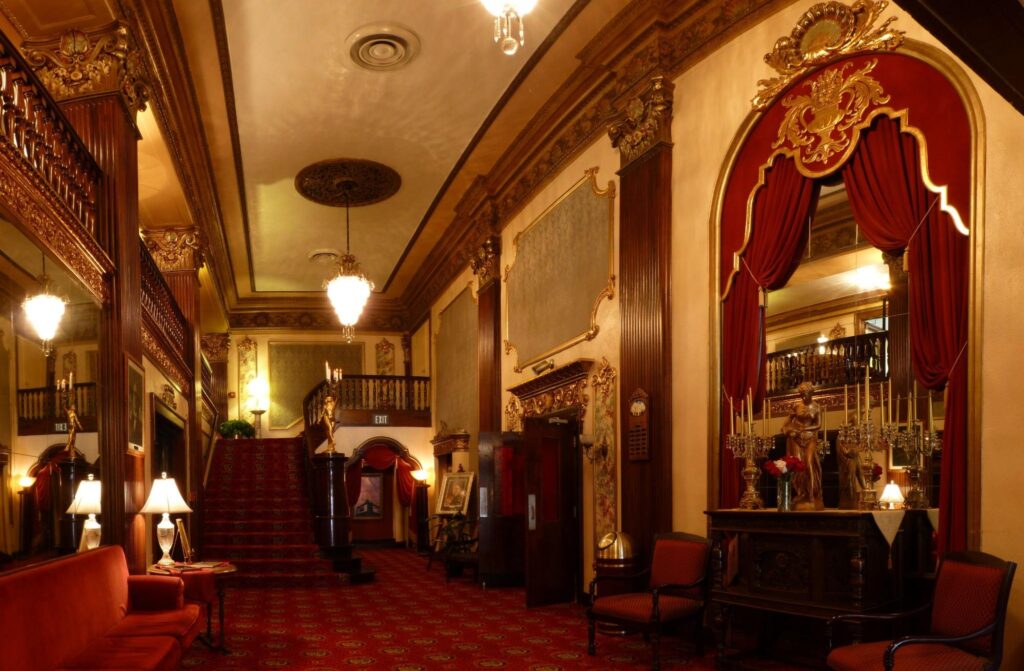
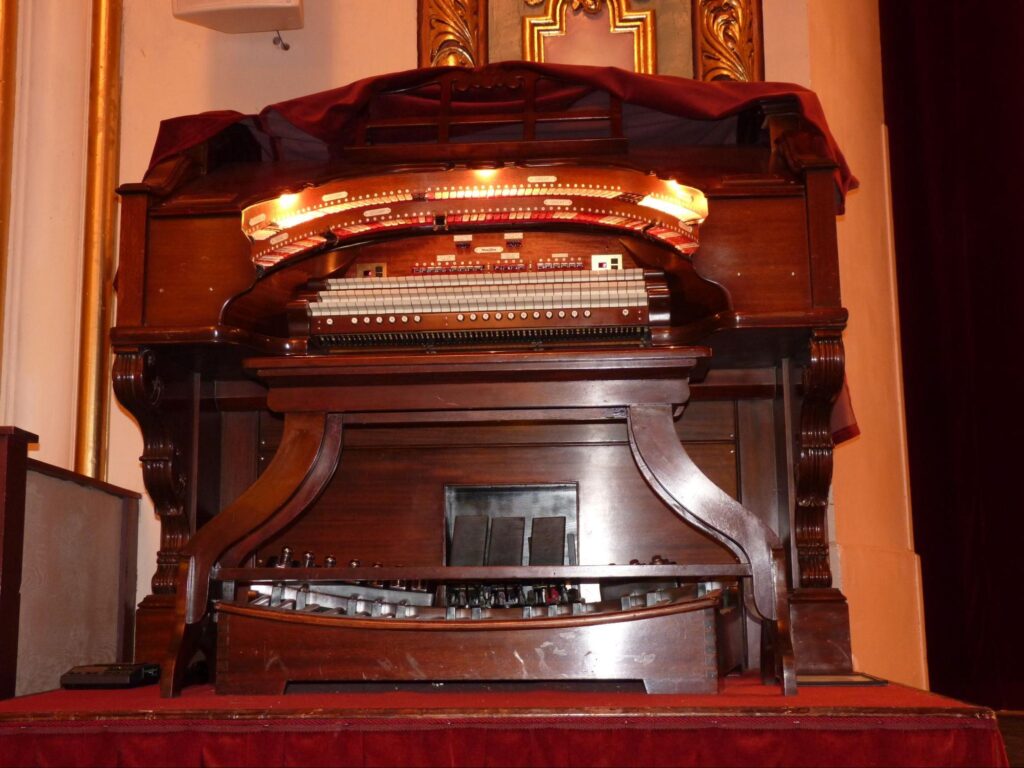
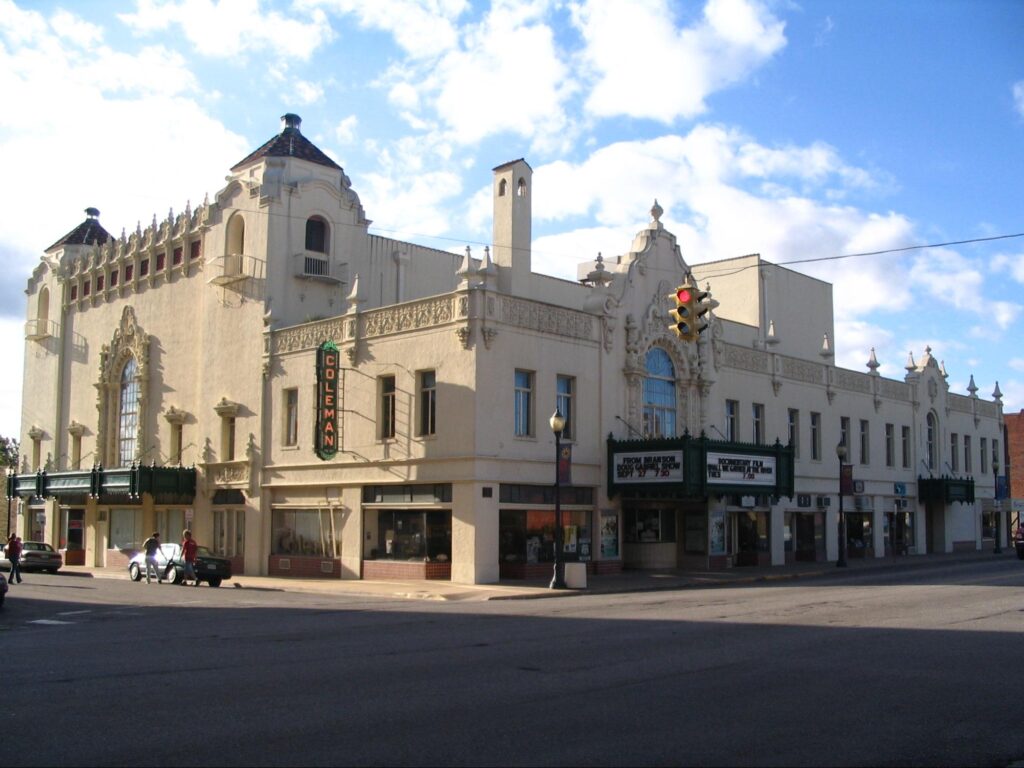
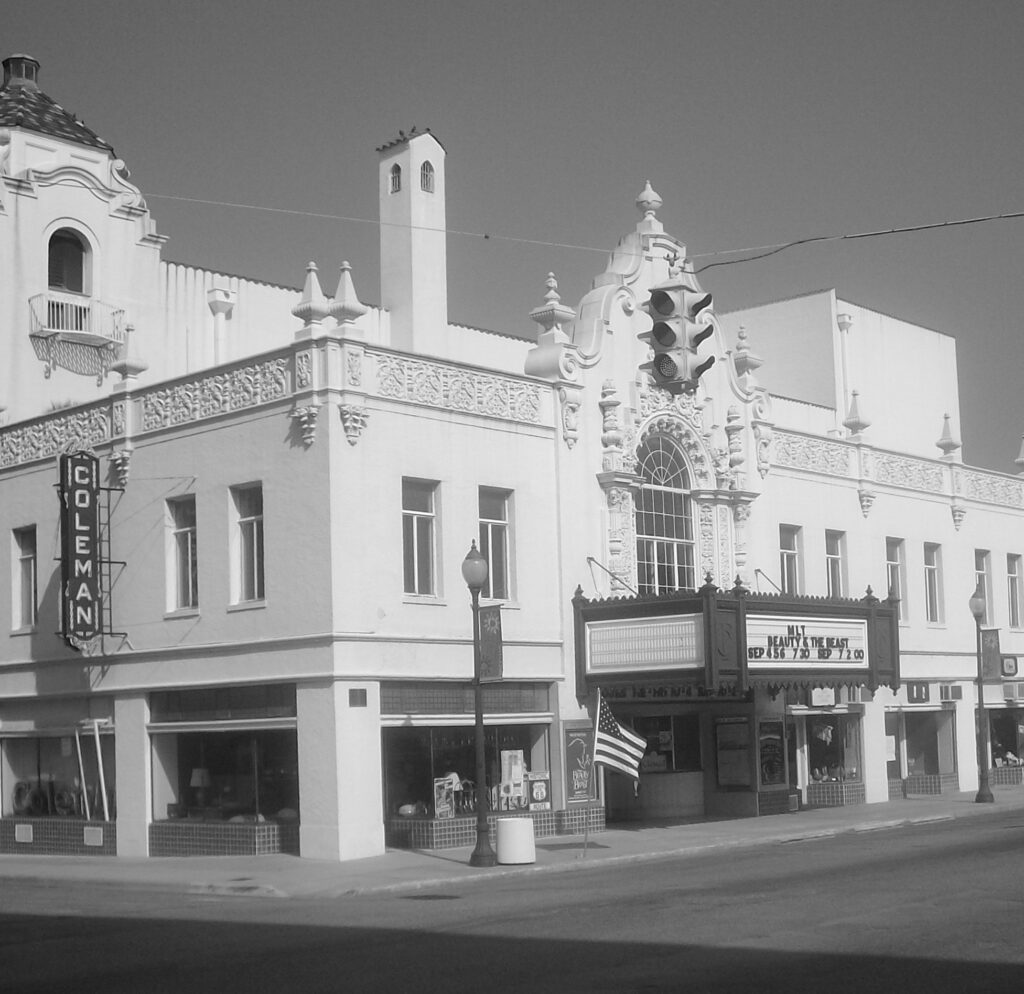
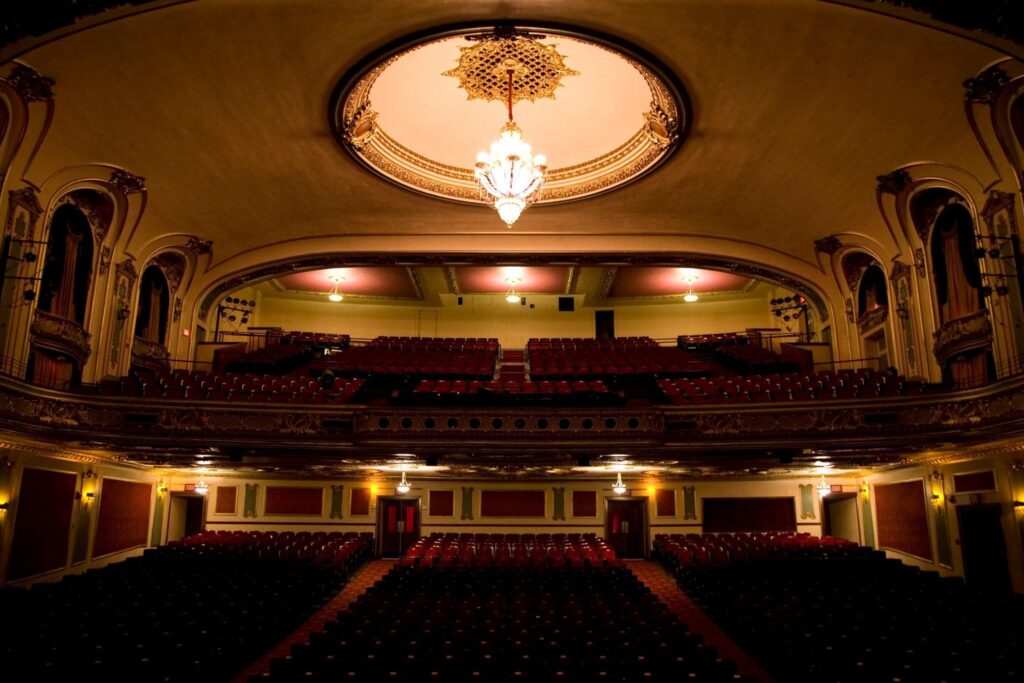
Nestled in downtown Miami, Oklahoma, the Coleman Theatre Beautiful stands as a stunning testament to the golden age of vaudeville and silent film. The theatre first opened its doors on April 18, 1929, to a full house of 1,600 people, and continues to draw audiences to this day.Vanessa Ezekowitz, CC BY-SA 3.0, via Wikimedia CommonsThe Coleman is a unique architectural jewel. The exterior was designed in the Spanish Colonial Mission style, and the interior takes the lavish form of what is known as the Louis XV style. Complete with gargoyles, dolphins, cherubs and faces throughout the theatre, the venue is even home to the famous “Mighty Wurlitzer” pipe organ. This organ drew crowds to the theatre at its opening, providing grand live soundtracks for silent movies and performances. The original organ has been fully restored and is still played today during select programs.AbeEzekowitz, CC BY-SA 3.0 <https://creativecommons.org/licenses/by-sa/3.0>, via Wikimedia CommonsThe theatre was constructed by George L. Coleman Sr., a local mining magnate, who dreamed of bringing the arts and entertainment to burgeoning Miami, Oklahoma. He built the theater in less than a year for the cost of $600,000. Renowned theatre architects, the Boller Brothers, designed the building’s terra-cotta exterior, as well as the elegant interior. Intricate carvings, hand-painted murals, and grand chandeliers transport audiences to a bygone era. The grand staircase, the centerpiece of the main hall, takes visitors to the theatre’s upper levels. TheWhitePelican, CC BY-SA 3.0, via Wikimedia CommonsThe Coleman was built with the intention of housing vaudeville acts and silent movies, but as Route 66 grew in popularity the theatre became a cultural hub and a staple stop along the Mother Road. Over time, the theatre transitioned with its audience, playing “talkie films” and hosting other events. Kevin Gardner, CC BY 3.0, via Wikimedia CommonsTowards the end of the 1900s, the Coleman Theatre was in bad shape – a fate not uncommon of historic theatres. The city of Miami, however, banded together to begin a lengthy restoration process after the Coleman family donated the venue to the city. The Coleman Beautiful is a great example of how communities along 66 value their heritage and will work together to preserve it. National Archives and Records Administration, Public domain, via Wikimedia CommonsThe theatre is still running strong today. It is a destination amongst tourists traveling the Dust Bowl Highway, or those seeking a cultural evening of entertainment along their route. The theatre is quintessentially American and even attracts visitors globally. Today you are able to attend ballets, operas, concerts, and movies in this unique venue. The theatre even has silent film nights which are still accompanied by the “Mighty Wurlitzer.” This living piece of history is a must see along the Mother Road, especially for anybody interested in architecture, film, and culture. Guided tours are also available, revealing inside stories and details about the theatre’s meticulous restoration.