Switch to the dark mode that's kinder on your eyes at night time.
Switch to the light mode that's kinder on your eyes at day time.
Lead Mines of Galena, Kansas
Tony Hisgett, CC BY 2.0 <https://creativecommons.org/licenses/by/2.0>, via Wikimedia Commons
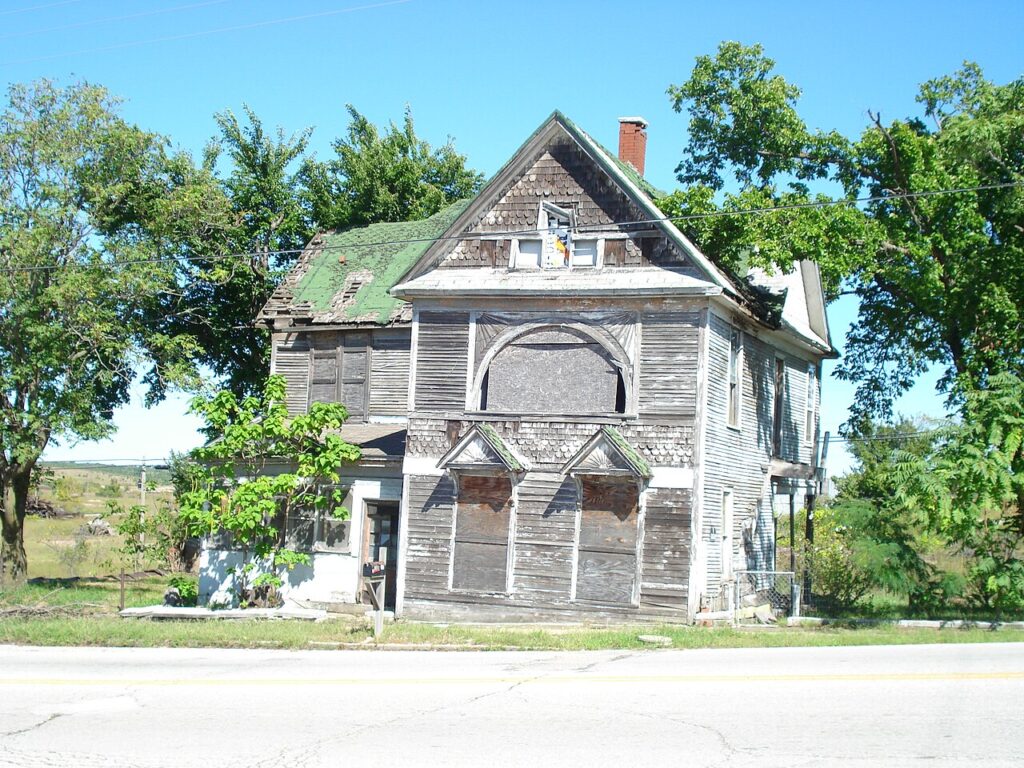
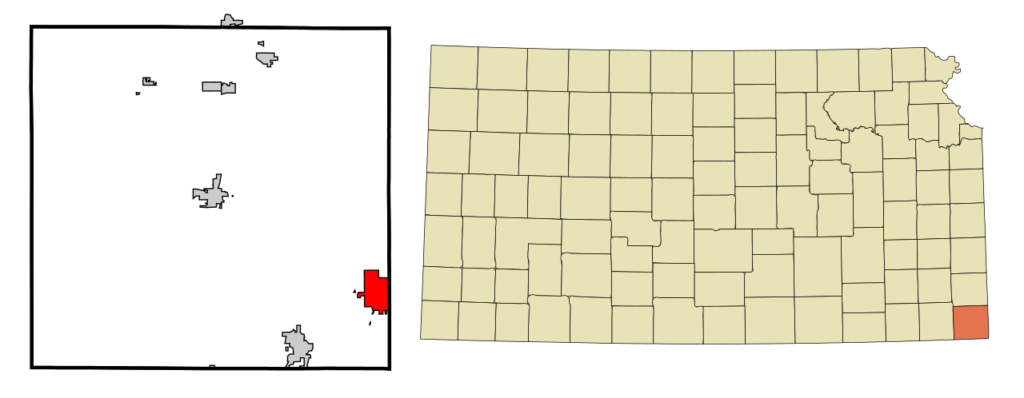
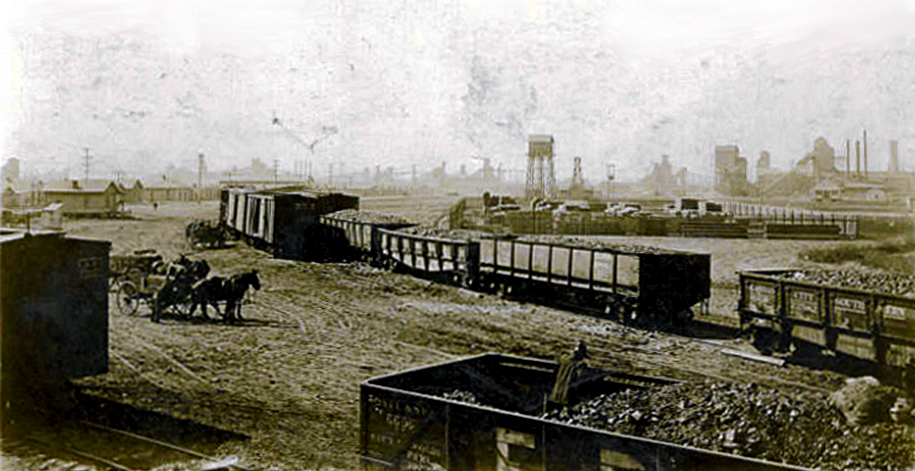
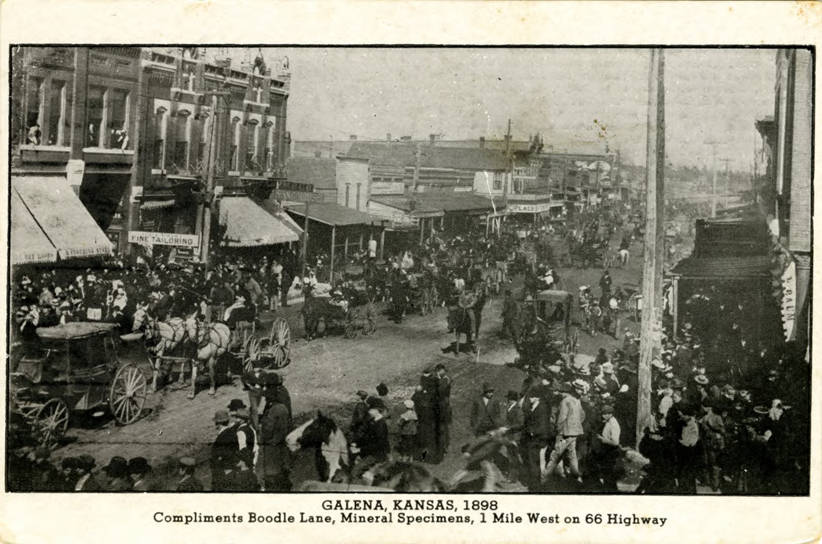
Galena, Kansas, takes its name from its most valuable resource – lead sulfide ore, which is also known as galena. Lead was discovered in this part of Kansas in 1877 and caused a mining boom in the region. Lead was an incredibly important in the late 1800s because it was used in ammunition, plumbing, paint, and silver extraction. Galena became part of the “tri-state mining area” which included Missouri, Kansas, and Oklahoma. At its peak the area had over 30,000 residents.
https://www.mindat.org/loc-22694.html, Public domain, via Wikimedia Commons
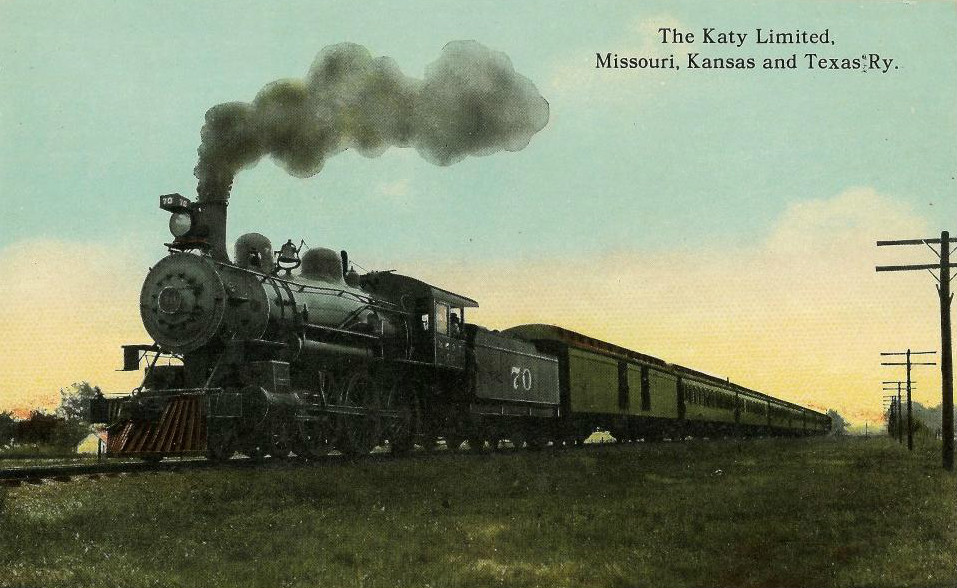
Integral to the region was the Missouri-Kansas-Texas Railroad simply referred to as the “MKT” or “The Katy”. It transported workers into the region and kept the towns along its route supplied with goods. The rail line also served as transport for the mined ore which could be carried to smelters.
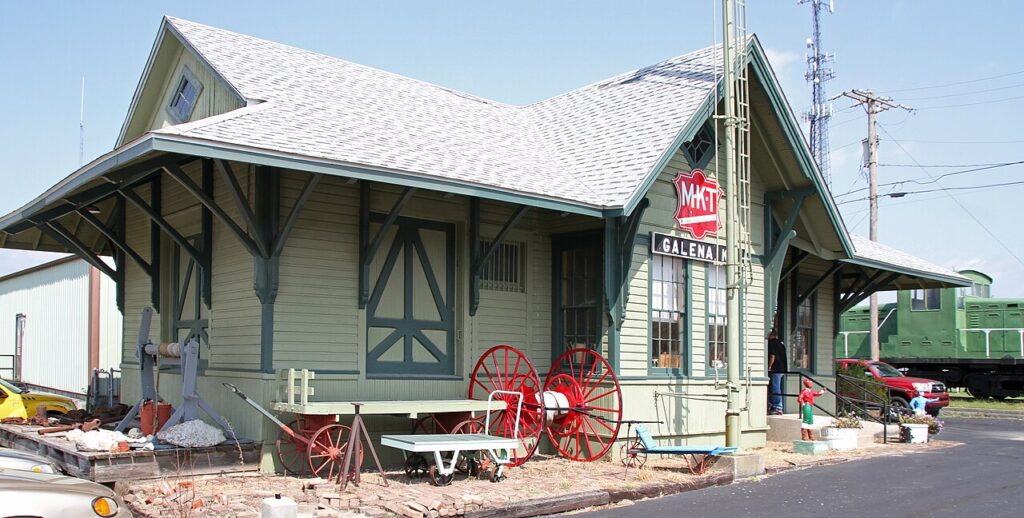
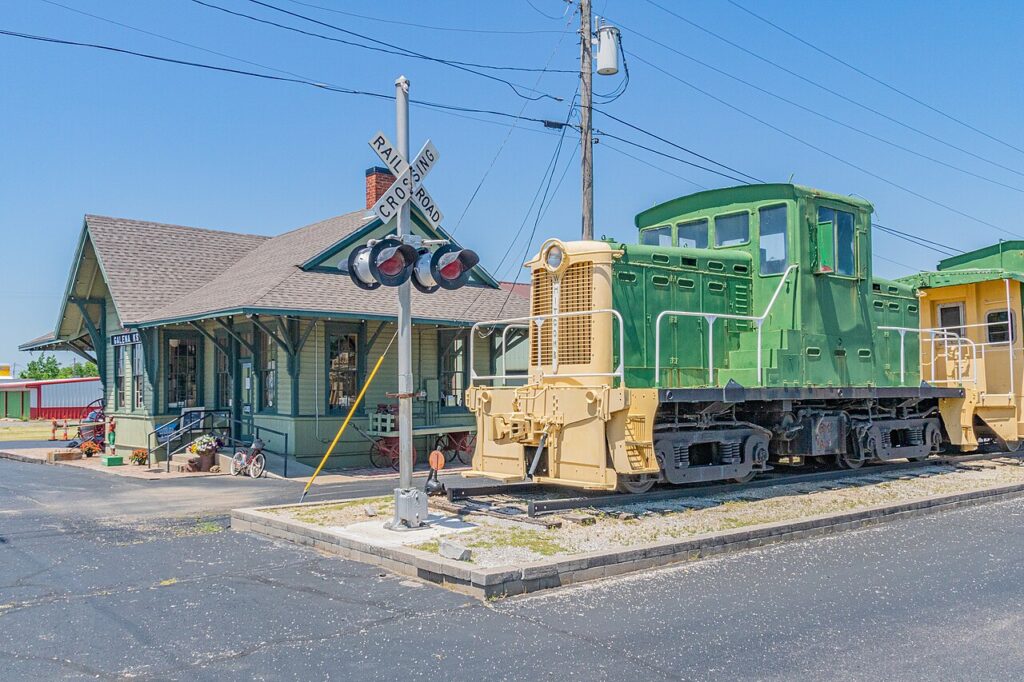
Galena’s mining heyday lasted almost exactly 100 years. By the 1970s, deposits had been exhausted and the mines were closed. The MKT had already been scaling back operations since the 1950’s and their freight service ended by the mid 1980s. The decommissioned MKT depot in Galena, Kansas was relocated to Route 66 in 1983. It took on new life the following year when it reopened as the Galena Mining & Historical Museum.
Matthew Nichols, CC BY 2.0 <https://creativecommons.org/licenses/by/2.0>, via Wikimedia Commons
The museum is a living testament to the history of mining in the area. A large collection of photos and illustrations educate visitors about life in the mines. There is a great appreciation for the hard work the miners endured, as without them Galena and other cities in the area would not have existed. The museum also has a great collection of antique clothing and ephemera from the time period to bring the past to life.
Since the closing of the mines, towns like Galena have dwindled. The former boomtown now has less than 3,000 residents.
Mathieu BROSSAIS, CC BY 4.0 <https://creativecommons.org/licenses/by/4.0>, via Wikimedia Commons
It’s a unique destination, though. Route 66 only spans 13.2 miles through Kansas which makes it an interesting section of road to travel. The meticulous restoration of the MKT depot calls attention from travelers. This portion of the DBH has a deep industrial history which is important to understand when considering how certain cities and train lines were established. 66 is more than just neon signs and oversized sculptures. In many cases it exposes a past that is critical to understanding American history.
Arkyan, CC BY-SA 3.0 <http://creativecommons.org/licenses/by-sa/3.0/>, via Wikimedia Commons

 Galena’s mining heyday lasted almost exactly 100 years. By the 1970s, deposits had been exhausted and the mines were closed. The MKT had already been scaling back operations since the 1950’s and their freight service ended by the mid 1980s. The decommissioned MKT depot in Galena, Kansas was relocated to Route 66 in 1983. It took on new life the following year when it reopened as the Galena Mining & Historical Museum.
 Since the closing of the mines, towns like Galena have dwindled. The former boomtown now has less than 3,000 residents.